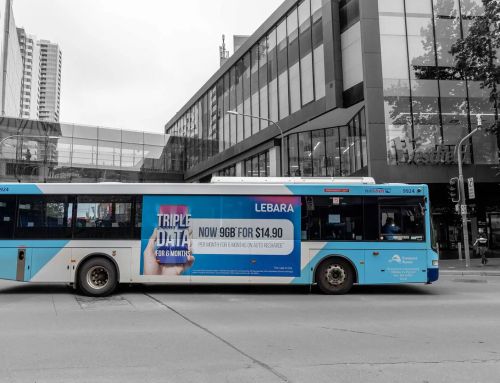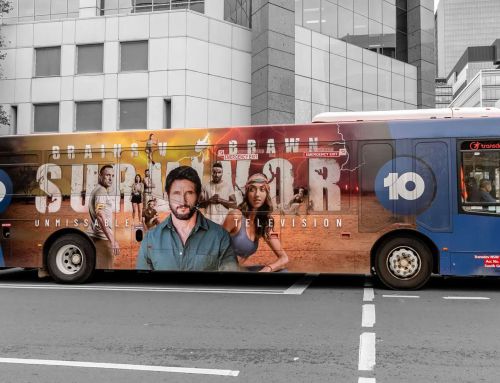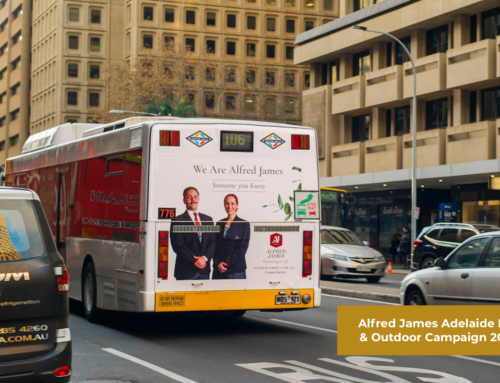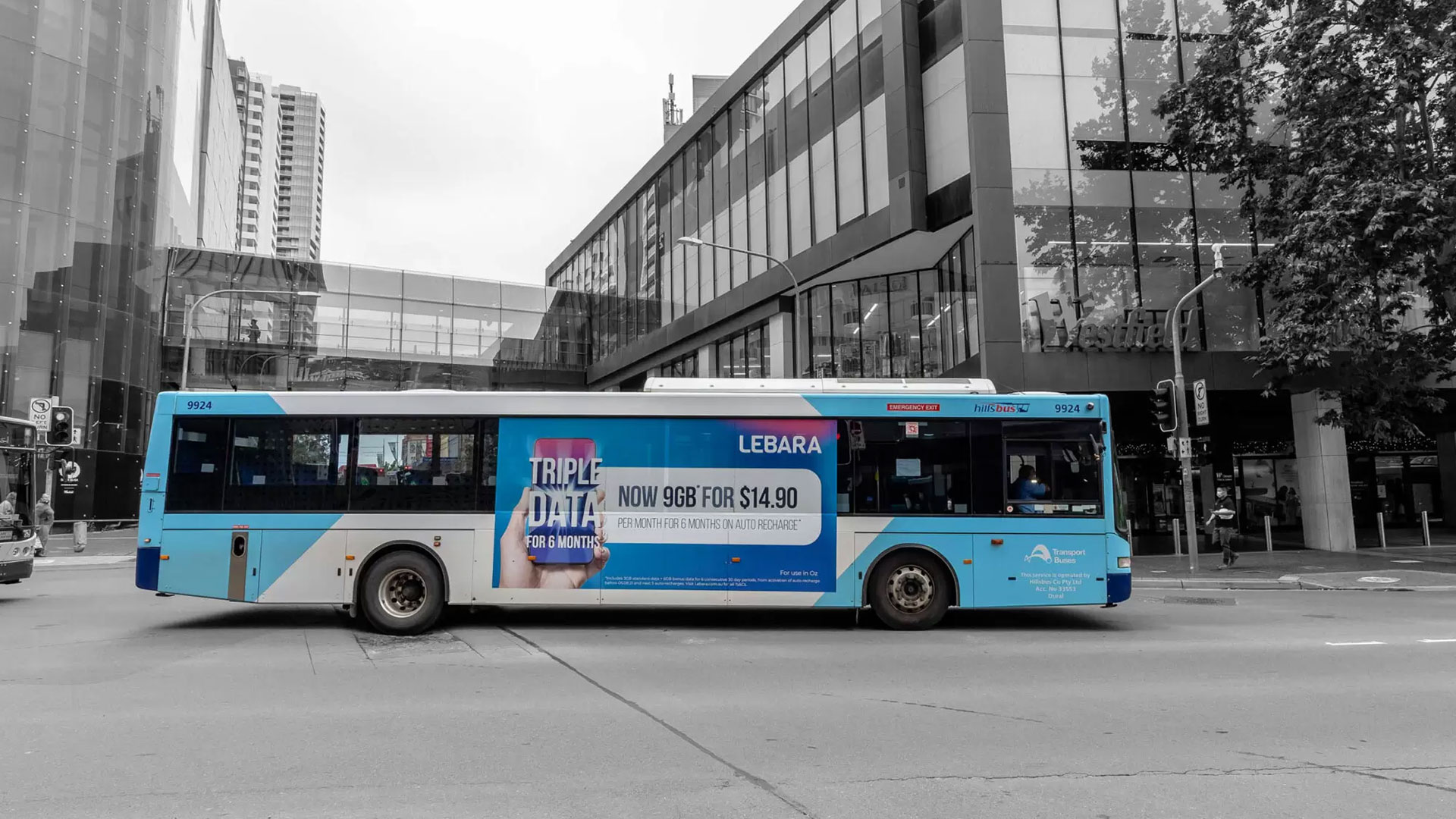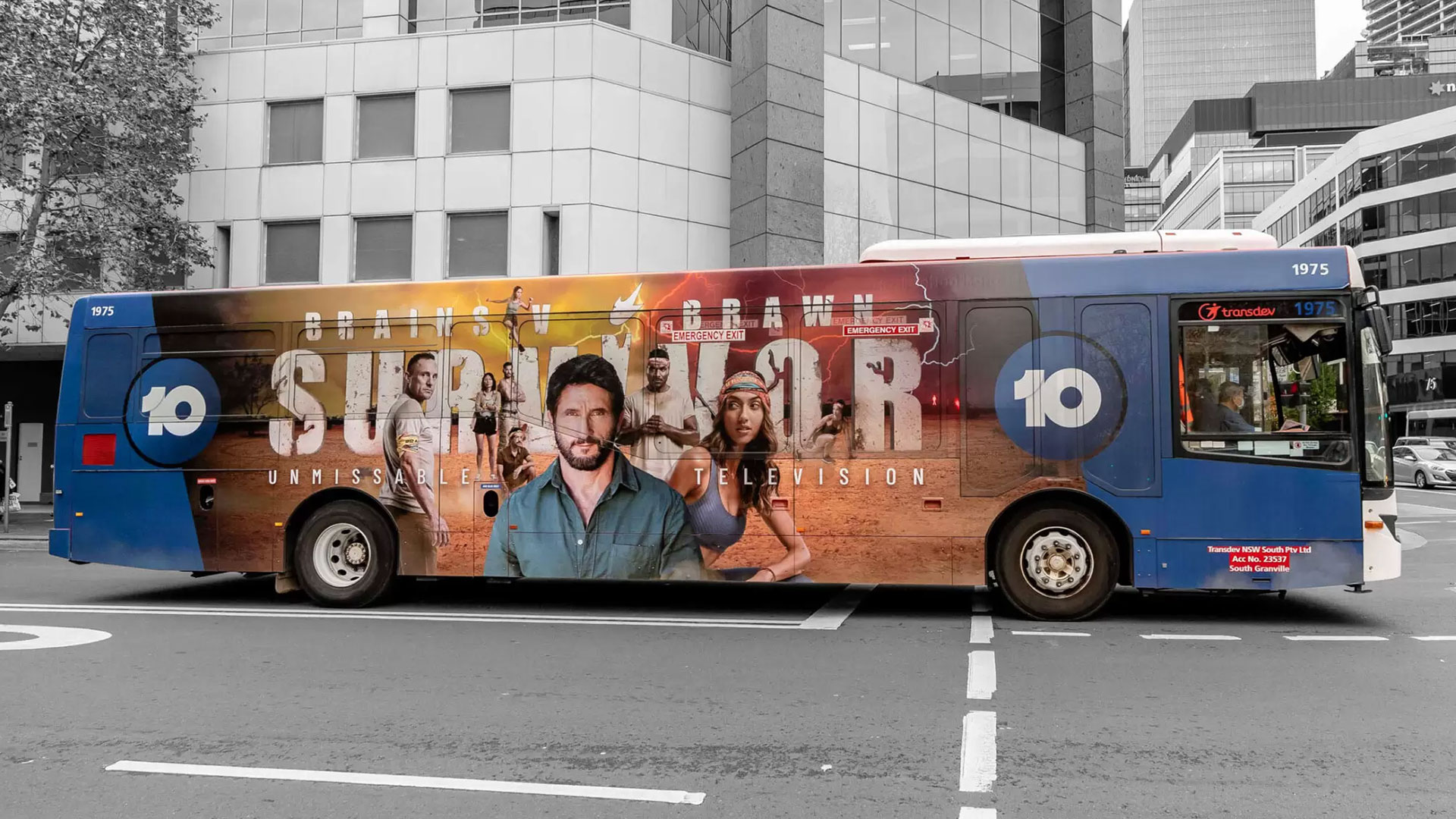
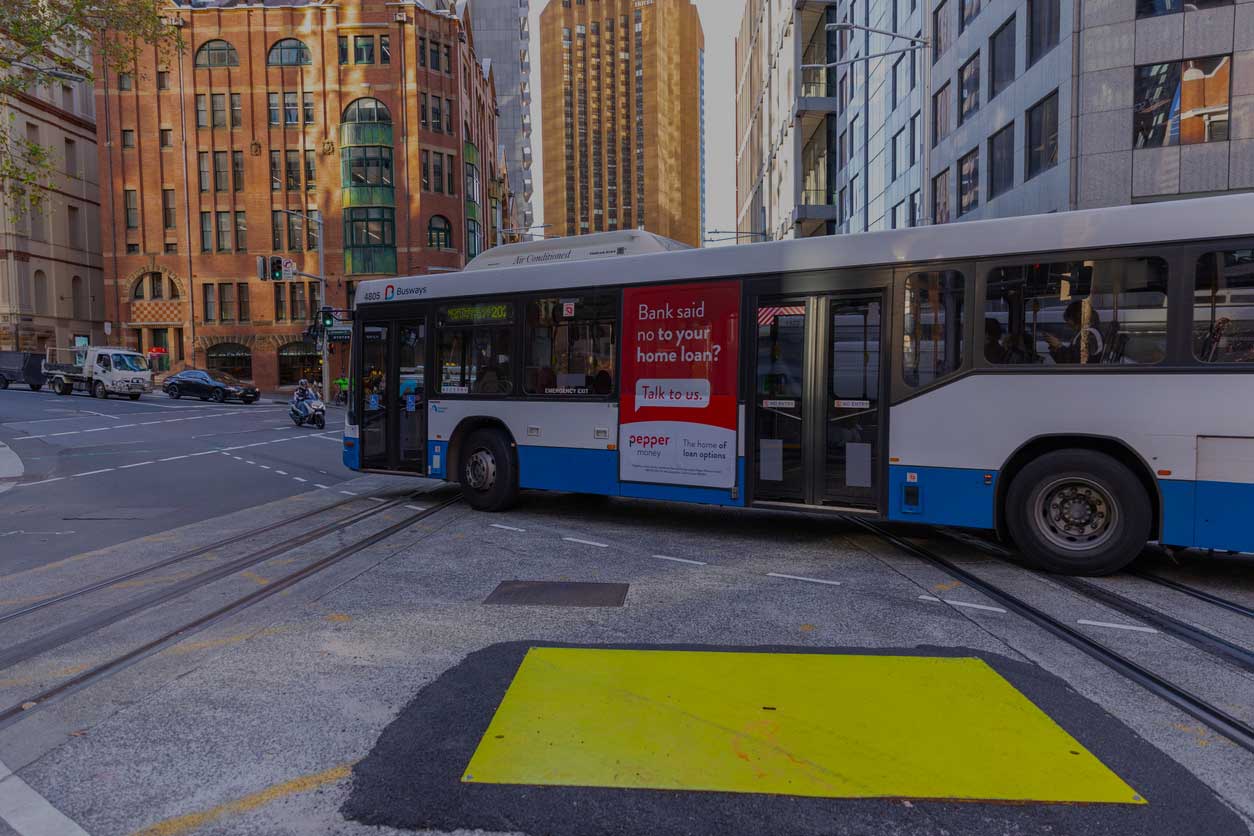
Sydney’s roads are a moving stage. Buses cut through the CBD, inner suburbs and growth corridors from Parramatta to Macquarie Park, passing shoppers, students and office workers in the same hour. That constant motion is why bus advertising still belongs in many media plans. What shifts in 2026 is the discipline around buying, creative and measurement. Advertisers are treating transit as a channel with real-time levers, not a fixed poster you set and forget.
1) Programmatic buying becomes routine
Buying bus and other digital outdoor ads will feel more like buying online ads. You can book, change, and manage campaigns faster, sometimes day by day.
Why it matters: If a brand suddenly needs extra visibility for a weekend sale in the CBD, they can shift budget and timing more easily than with old-style bookings. Industry forecasts also suggest digital out-of-home is taking a bigger slice of outdoor revenue, which supports this shift.
2) Route-level planning gets sharper and more local
Advertisers won’t treat “Sydney” as one big audience. They’ll pick specific routes because those routes match the people they want to reach.
Why it matters: A bus route through university areas reaches a different crowd from one running through business districts or shopping zones. So instead of one message everywhere, campaigns can match the suburb and the reason people are there (work, study, sport, retail).
3) Dynamic creative becomes expected
The ad can change depending on the situation. A screen might show one message in the morning and a different one at night, or switch copy when it’s raining.
Why it matters: This helps ads stay relevant. If it’s hot, cold drinks make sense. If it’s school pick-up time, quick dinner offers land better. Many DOOH platforms already promote this “triggered” approach using time, location, and weather.
4) High-attention surfaces are treated as roles, not just space
Different parts of the bus are used for different jobs, rather than buying “a bus ad” and hoping for the best.
Why it matters:
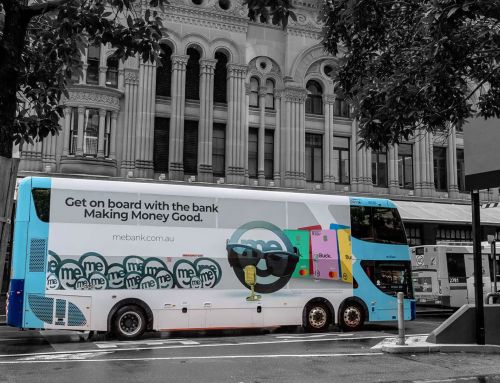
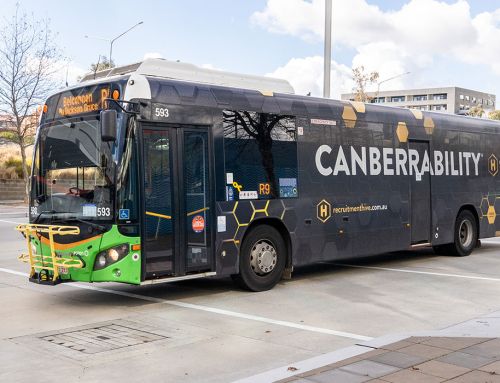
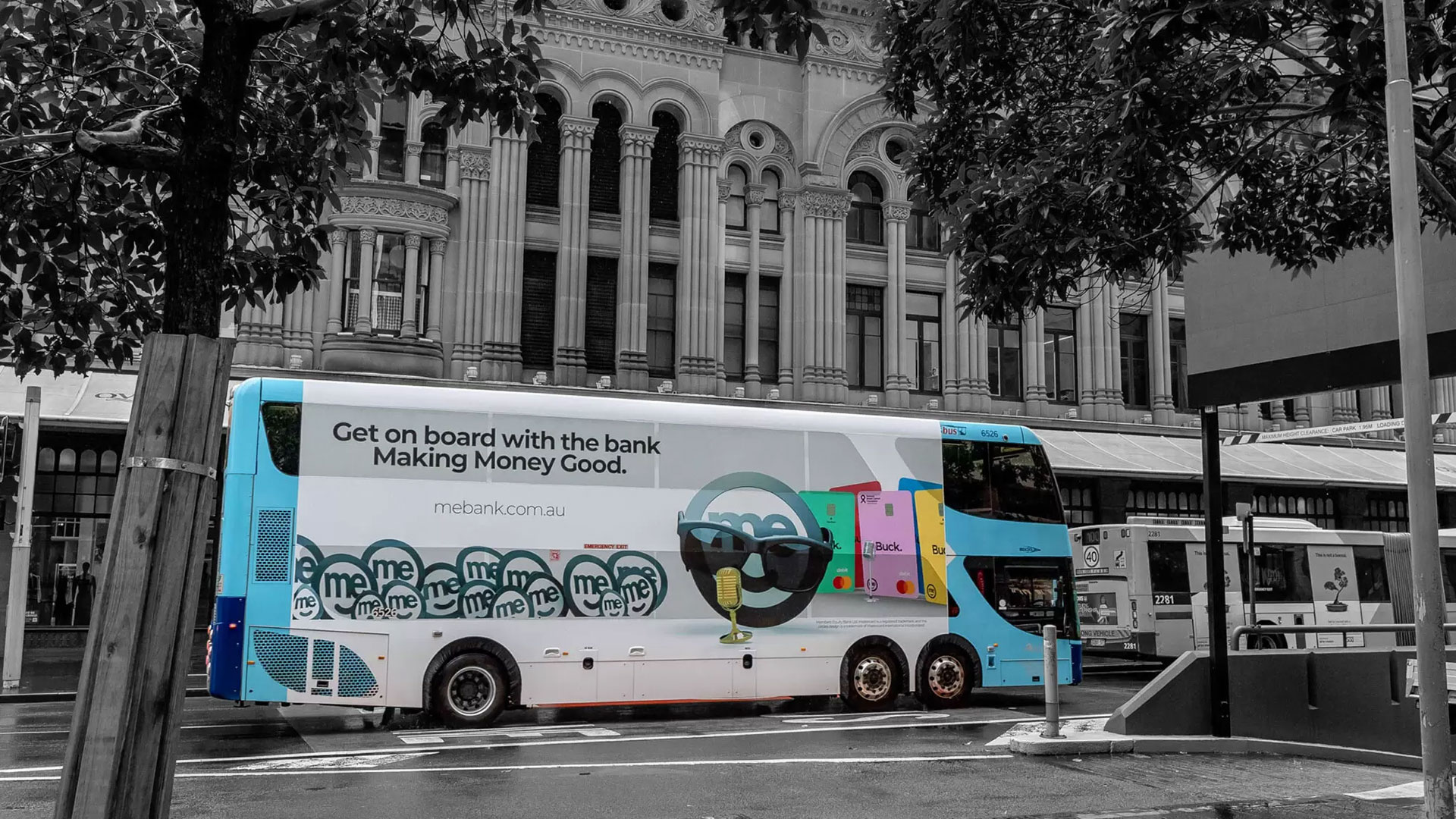
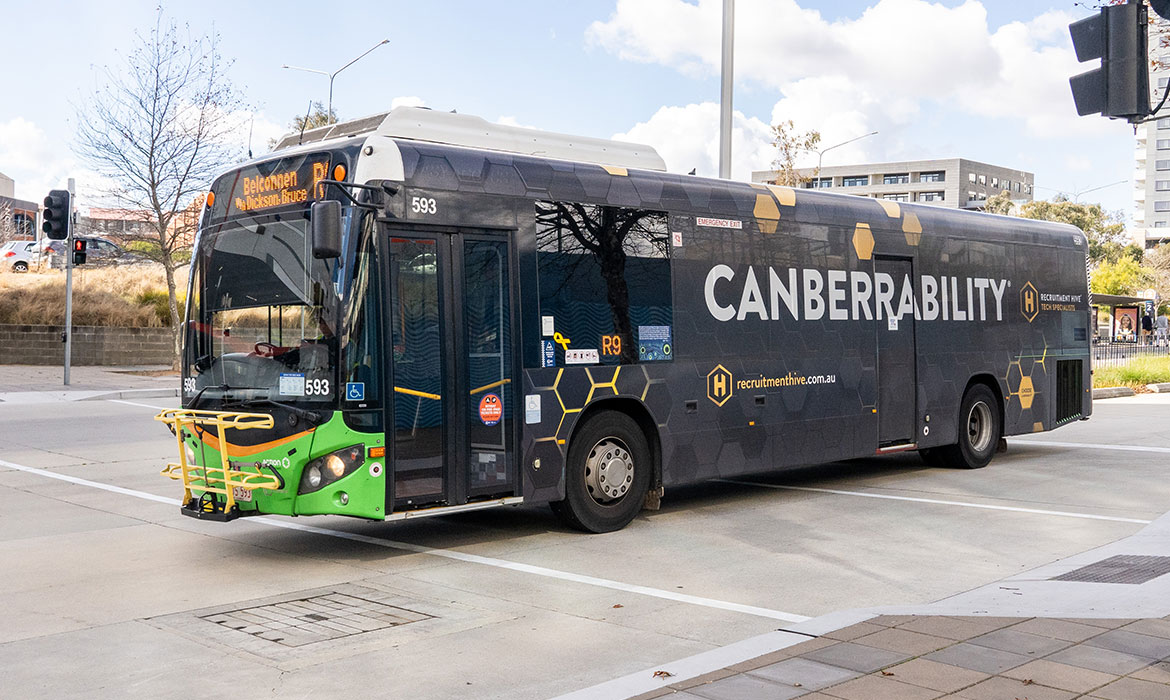
- Big wraps can build recognition because they’re hard to miss.
- Side panels work well for a short promise people can read as the bus passes.
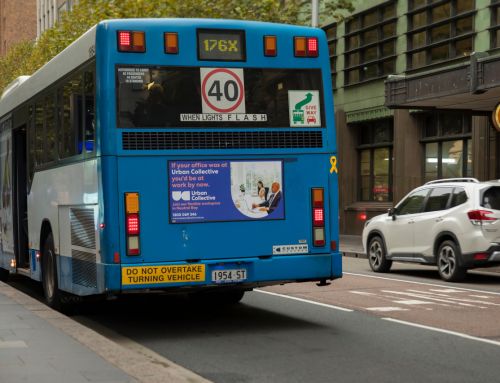
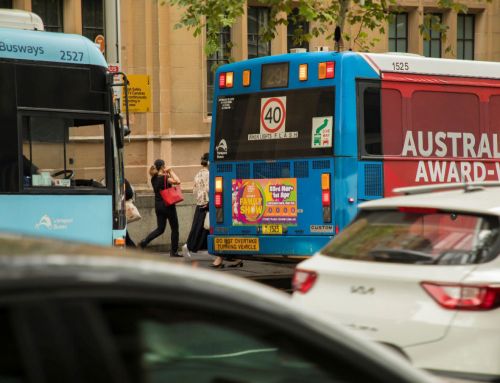
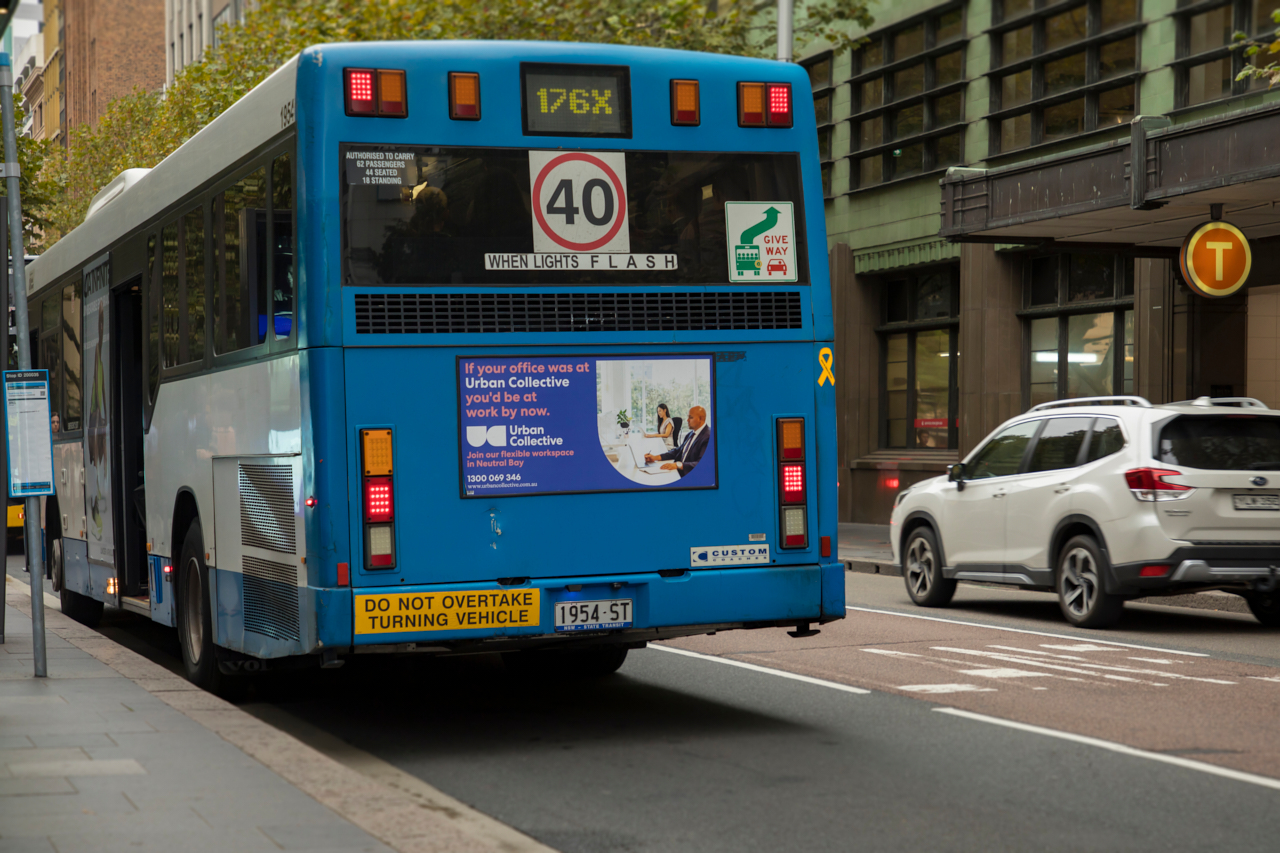
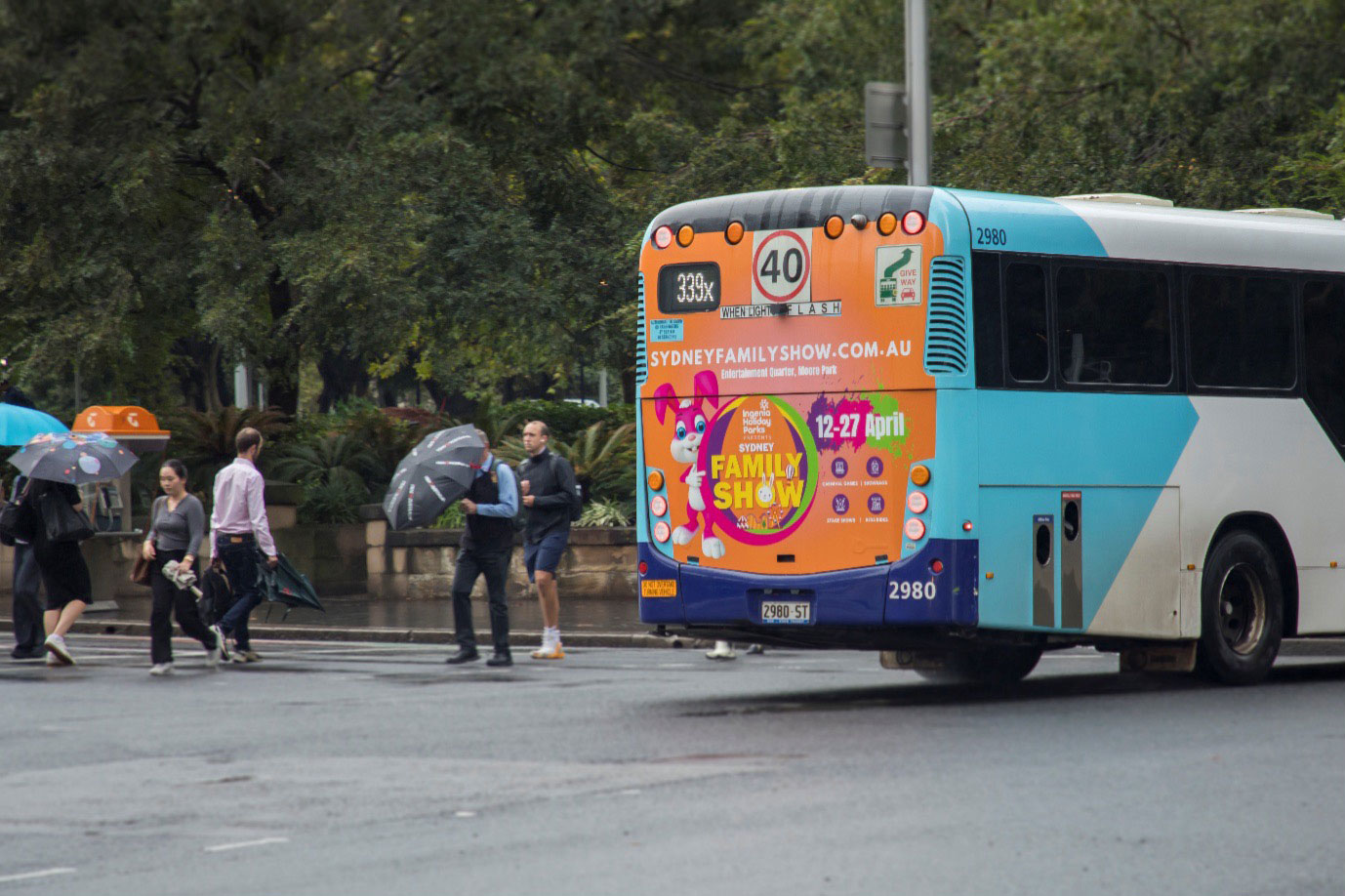
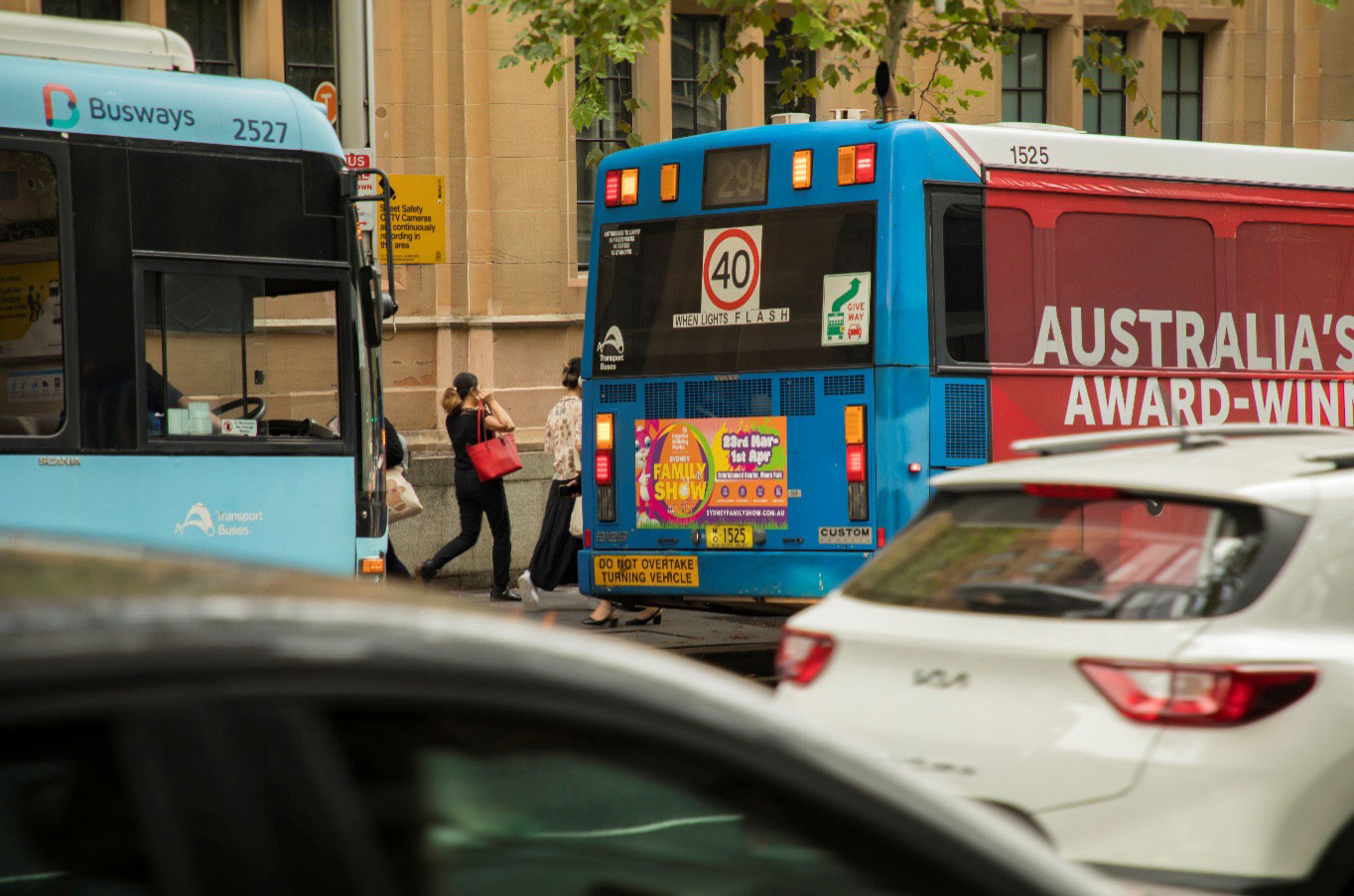
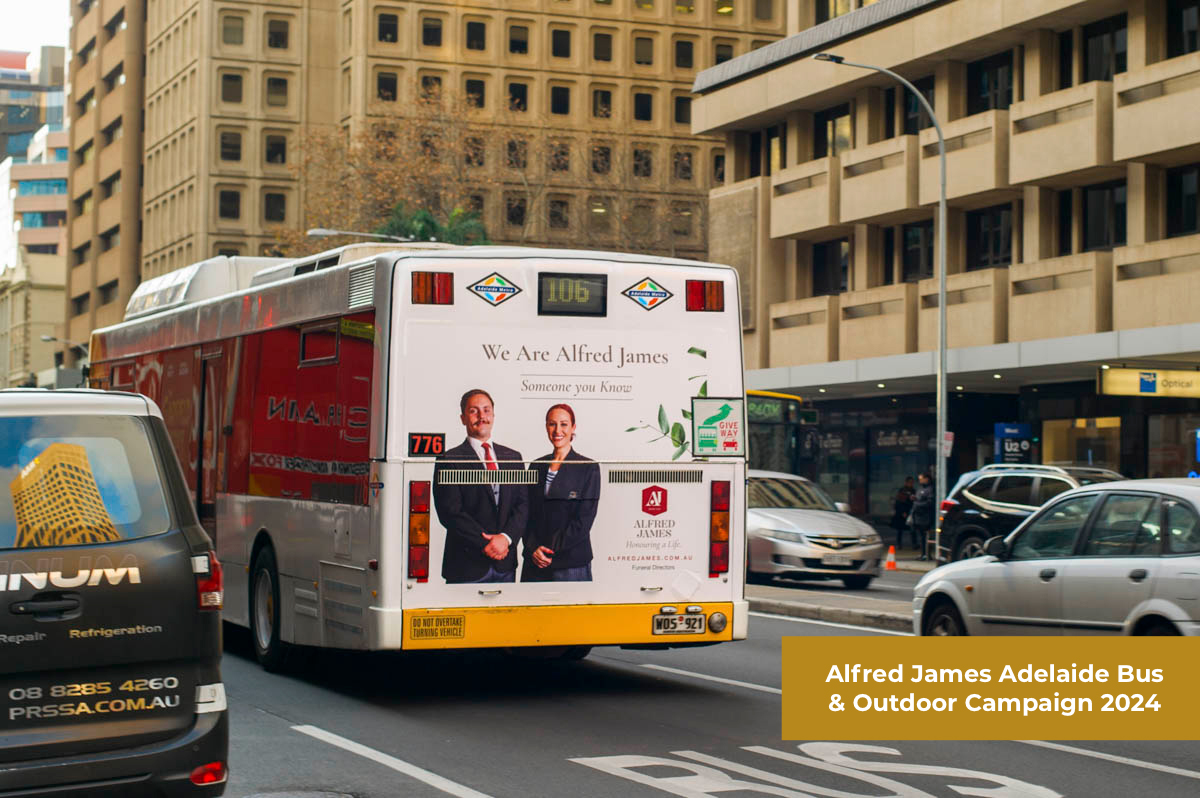
- The back of the bus is ideal for short, punchy copy because drivers behind it often sit in traffic looking straight at it. It’s not the place for a paragraph of text.
In other words, planners are matching message type to the way people actually see that surface.
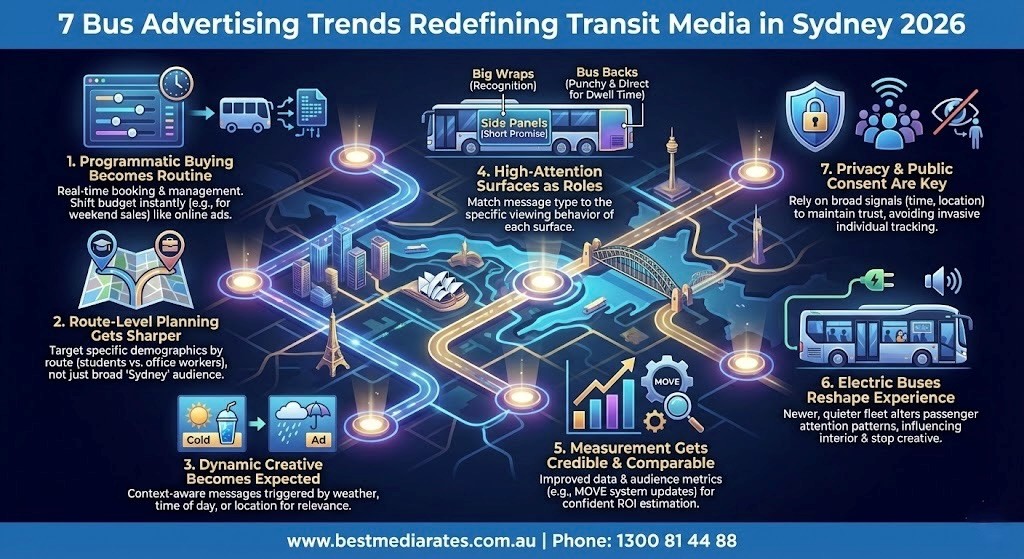
5) Measurement in Australia gets more credible and comparable
Outdoor ads, including transit media, are getting better “numbers” behind them, so advertisers can estimate reach and compare options with more confidence.
Why it matters: In Australia, the Outdoor Media Association’s MOVE system is a key part of this, describing itself as an audience measurement approach for out-of-home. Updates like MOVE 1.5 and MOVE 2.0 aim to add more detail, including seasonality and more granular planning.
For Sydney advertisers, that means fewer debates about whether transit is “worth it” and more focus on which routes, formats, and timings do the job best.
Also Read: Bus Advertising: The Undeniable Influence of This Type of Out-of-Home Advertising
6) Electric buses reshape expectations and the travel experience
As Sydney’s fleet moves to electric, buses will tend to be newer and quieter, and depots and operations are being upgraded to support them.
Why it matters: NSW says the first stage of its transition will introduce 1,200 new electric buses for Greater Sydney customers by 2028.
Newer buses often come with updated interiors and information systems. That can change how passengers spend their attention while travelling, which affects what kind of ad creative works inside the bus and around stops.
7) Privacy and public consent become planning constraints
People are more wary of ads that feel like they track them, even in public spaces.
Why it matters: Public debate around digital billboards that can detect or analyse audiences shows how quickly trust can drop if people think they’re being watched.
For transit media or back of bus advertising, the safer path is to rely on broad signals (time of day, location, weather) instead of anything that looks like identifying individuals.