Walk through any busy Sydney corridor at peak hour and you will notice the same thing: attention is fragmented, screens are everywhere, and people are still looking up. For brands trying to stay visible, bus advertising in Sydney has regained momentum in 2026 because it sits in the real world where commuting, shopping, and waiting actually happen. Digital still matters, but it often competes with endless scrolling, ad blockers, and shrinking tracking signals.
Bus Advertising in Sydney: Why It Wins the Attention Game in 2026
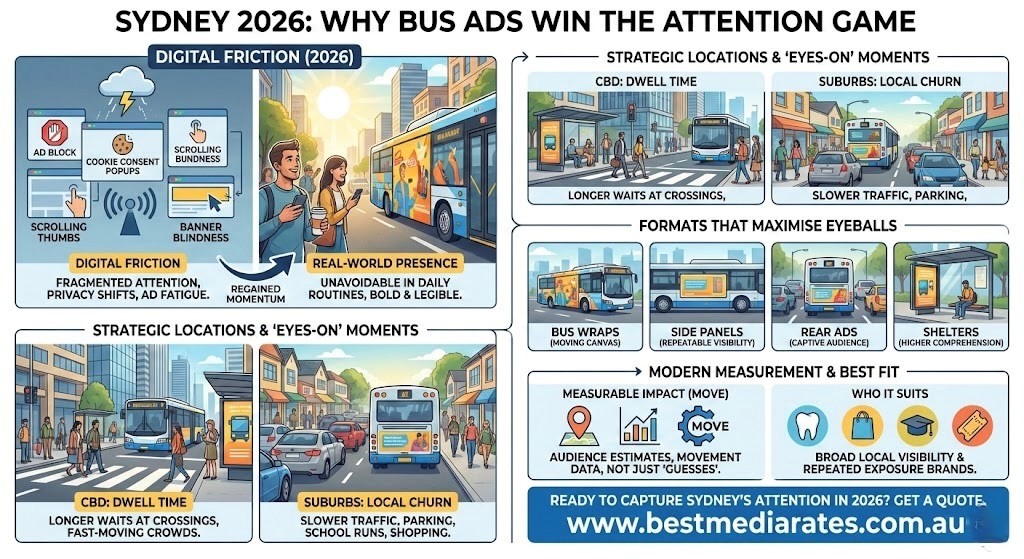
- A bus ad works because it is hard to avoid without leaving the street. It shows up during daily routines: the school run, the walk to a station, the crawl along arterial roads, the queue outside a café.
- That matters because attention is partly about context. When people are moving through their day, a bold, legible message can land in a way that a banner ad often does not.
- Digital advertising has also created its own friction. “Ad fatigue” and “banner blindness” are not just marketing clichés; they are well-described patterns where repeated exposure and clutter reduce engagement.
- Research continues to discuss how heavy digital ad exposure can lead to avoidance behaviours.
- Buses also bring frequency. The same route runs again and again, building familiarity. For brand messages aimed at broad local awareness (think services, retail, events), that repetition can be a quiet advantage.
Bus Advertising Reach Sydney: CBD vs Suburbs Where Bus Ads Get Seen Most
Not all visibility is equal. In the CBD, people spend more time walking, waiting at crossings, and standing near stops. That can translate to longer “eyes-on” moments, even if the crowd moves fast.
Suburban high streets create a different pattern: slower traffic, parking churn, and pedestrians crossing between shops.
Route selection is where the local advantage really shows. A bus moving through Parramatta’s commercial areas, for example, can sit in traffic near shopping precincts and interchanges, giving drivers and pedestrians repeated chances to register the creative. Inner West corridors often deliver steady exposure because of dense local activity: cafés, retail strips, and short trips that happen all day.
Simply put, location is strategy. “Sydney-wide coverage” sounds good, but the best plans usually combine a few priority corridors with enough time in market for people to notice and remember.
Bus Advertising vs Digital Advertising in 2026: What Changed
Two shifts sit behind the renewed interest in physical media.
- First, the digital targeting environment remains unsettled. Over the past couple of years, the industry has watched major changes to browser privacy plans and ongoing debate about third-party cookies. Google’s own updates around cookies and the Privacy Sandbox illustrate how fluid this space has been, with reversals and phased changes that affect how advertisers measure and target.
- Second, measurement conversations have become more realistic. Many people now understand that an ad being “served” is not the same as it being seen. Viewability standards exist, yet a fast scroll, a muted autoplay, or a half-loaded placement can still mean low attention. Physical media has its own limits, but when you stand at a crossing and a full-length bus rolls by, “viewability” feels less theoretical.
This is where OOH vs digital marketing becomes less of a rivalry and more of a decision about roles: digital often excels at short-term conversion when signals are strong, while out-of-home can stabilise reach and brand memory when the online environment is noisy or uncertain.
Bus Ad Formats in Sydney That Maximise Eyeballs
Creative format matters as much as location.
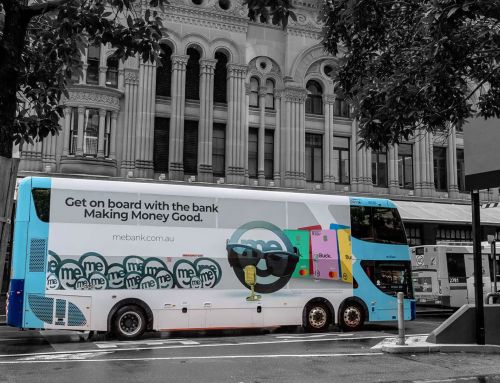
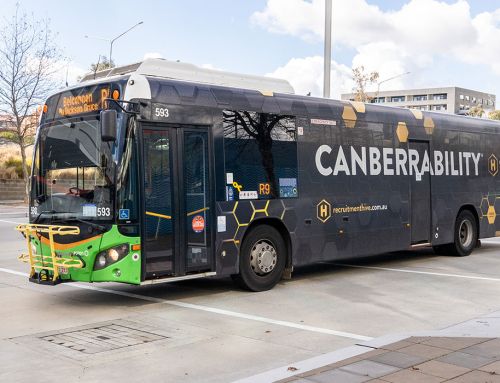
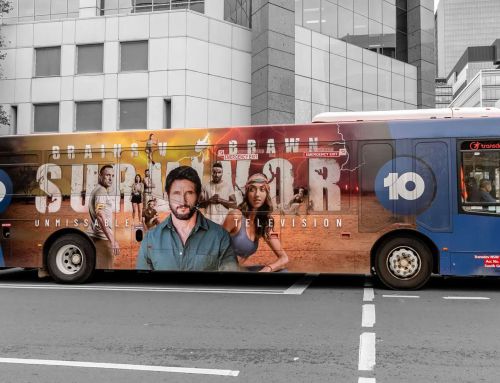
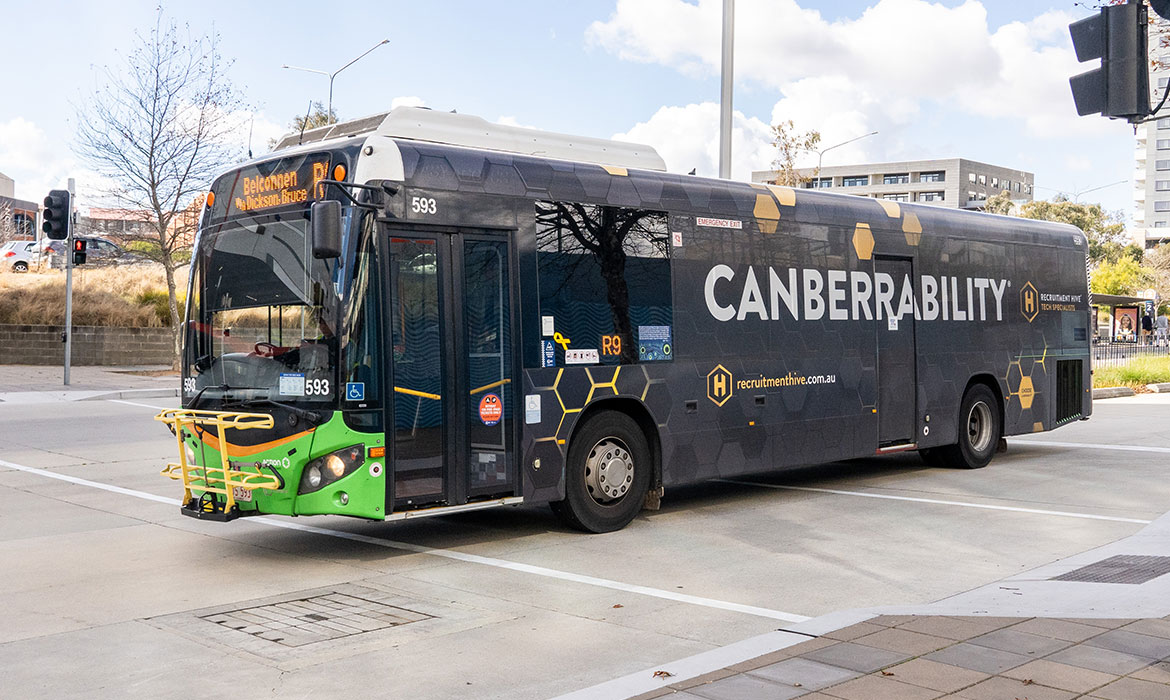
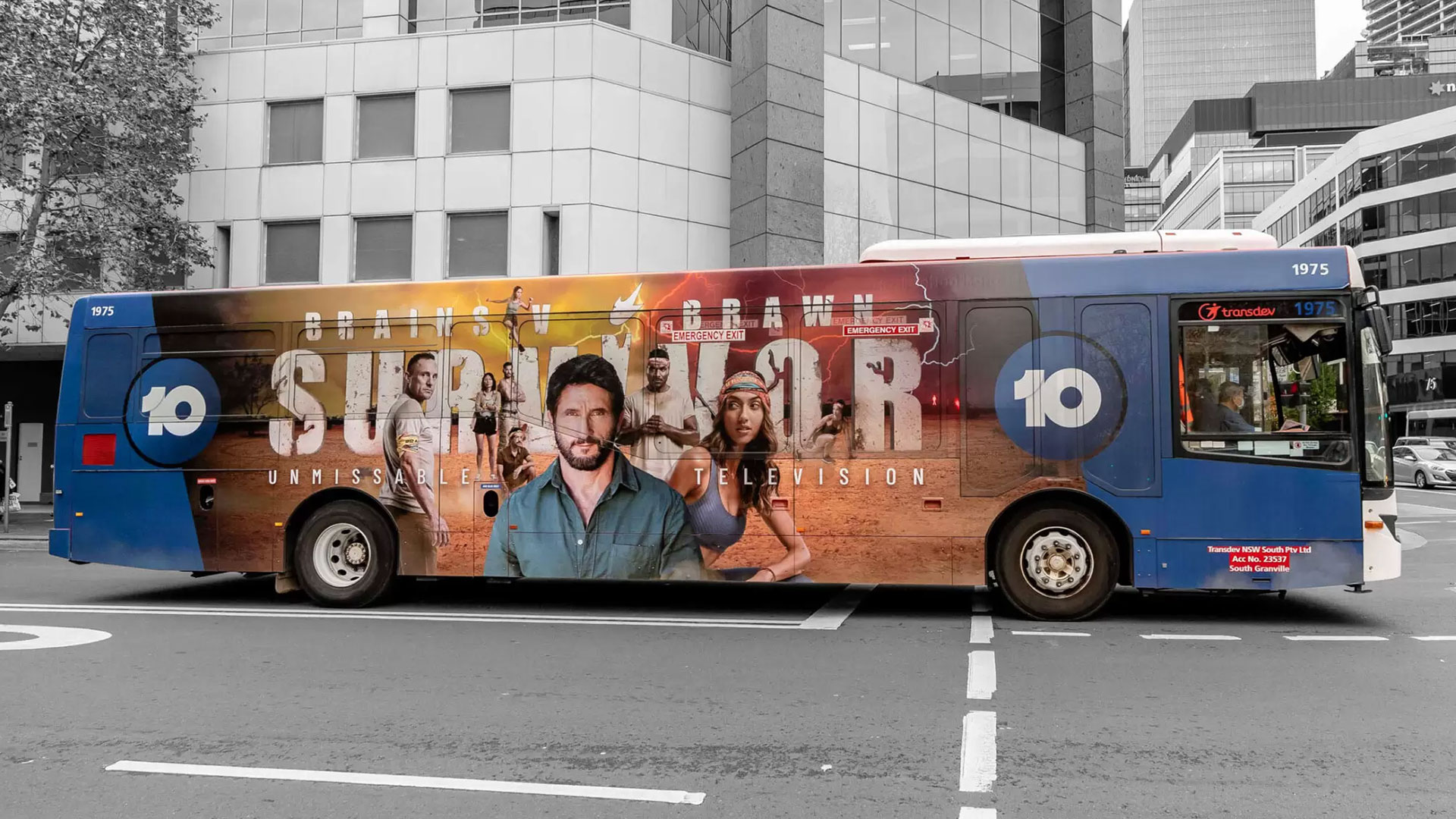
- Bus wraps are the headline option because they dominate a moving canvas. They tend to work well for brands that want to look established and hard to miss. A wrap can also simplify the message: one strong idea, one brand, one call-to-action.
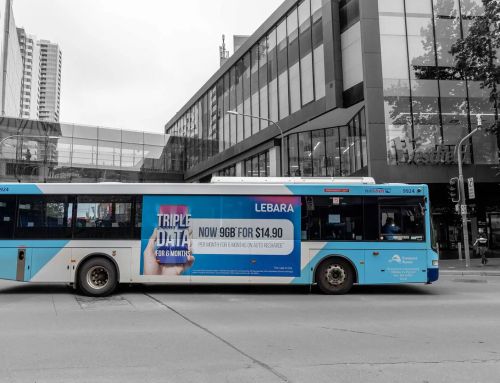
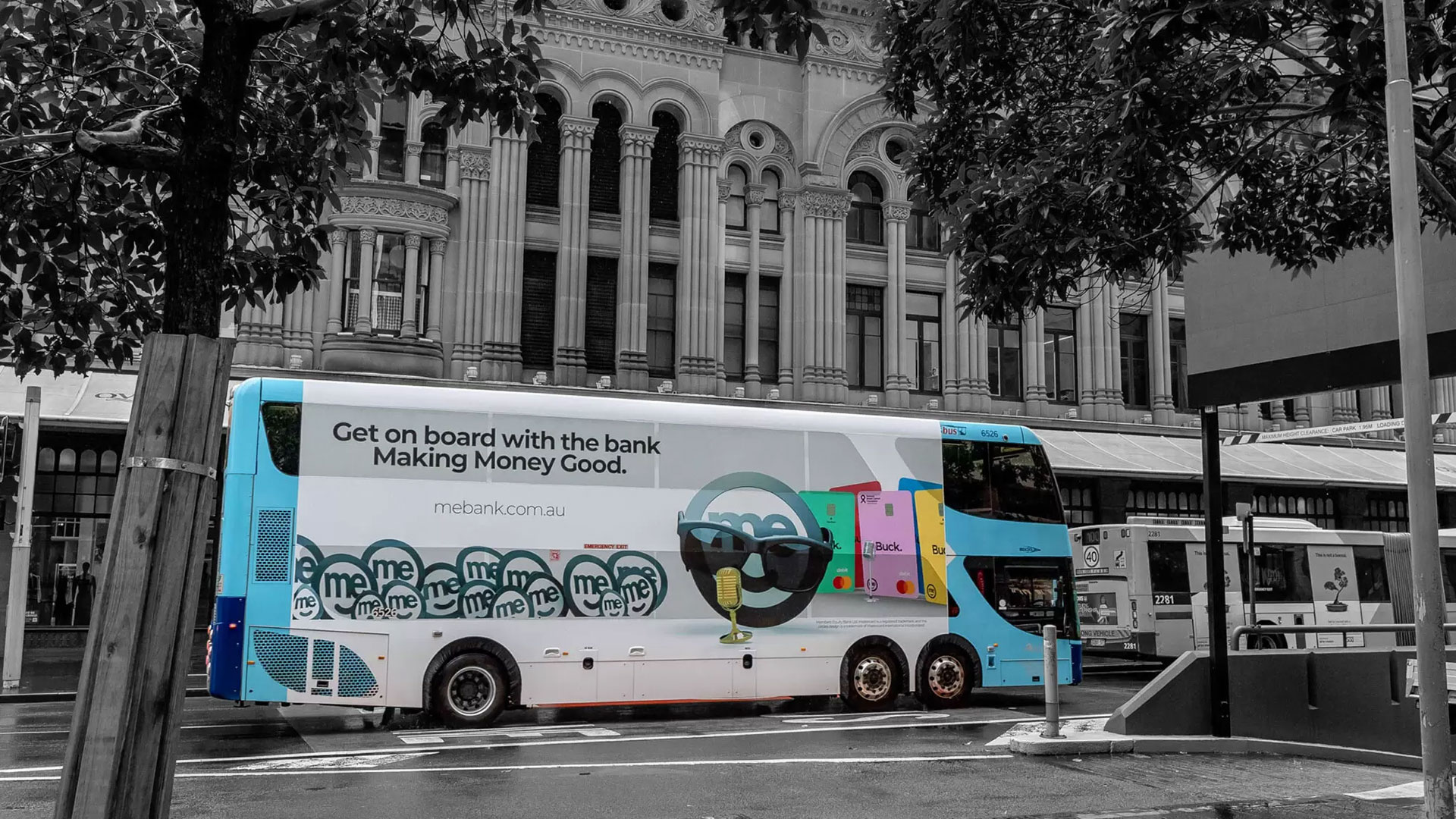
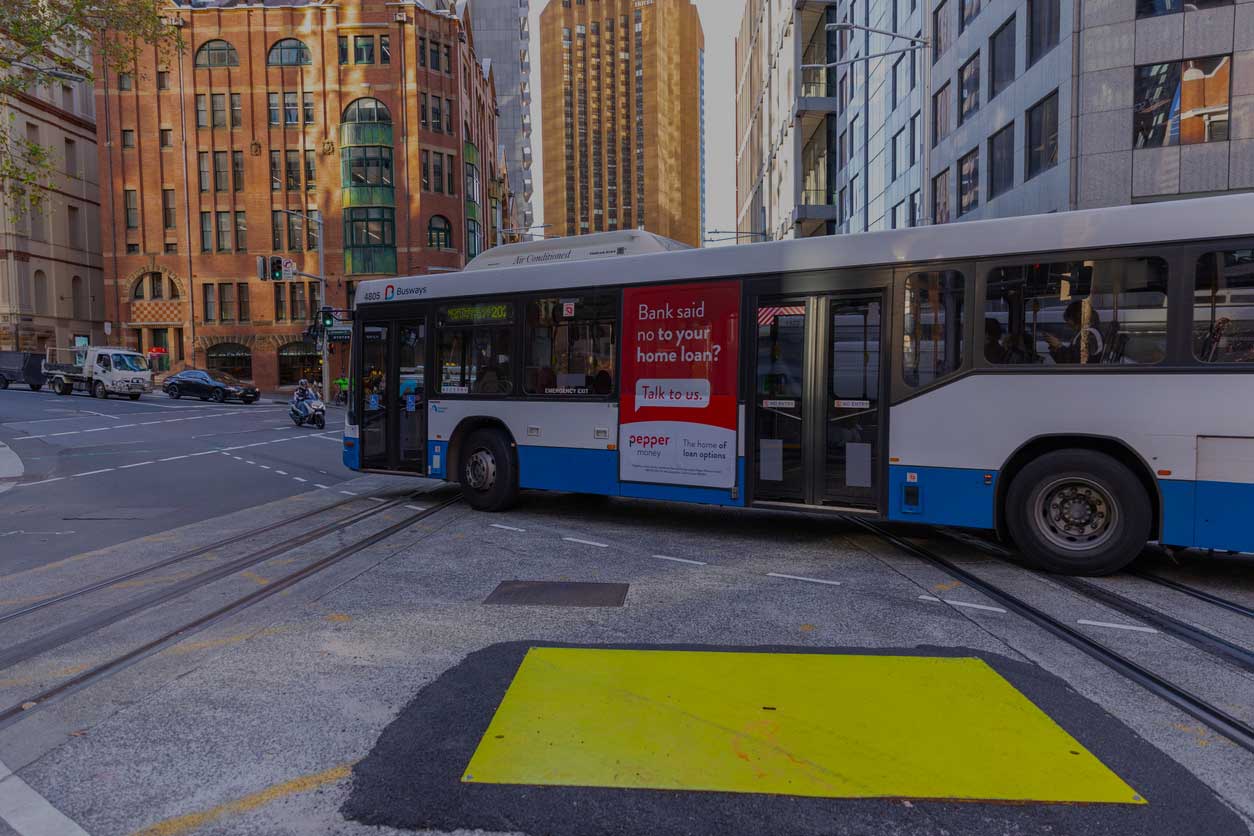
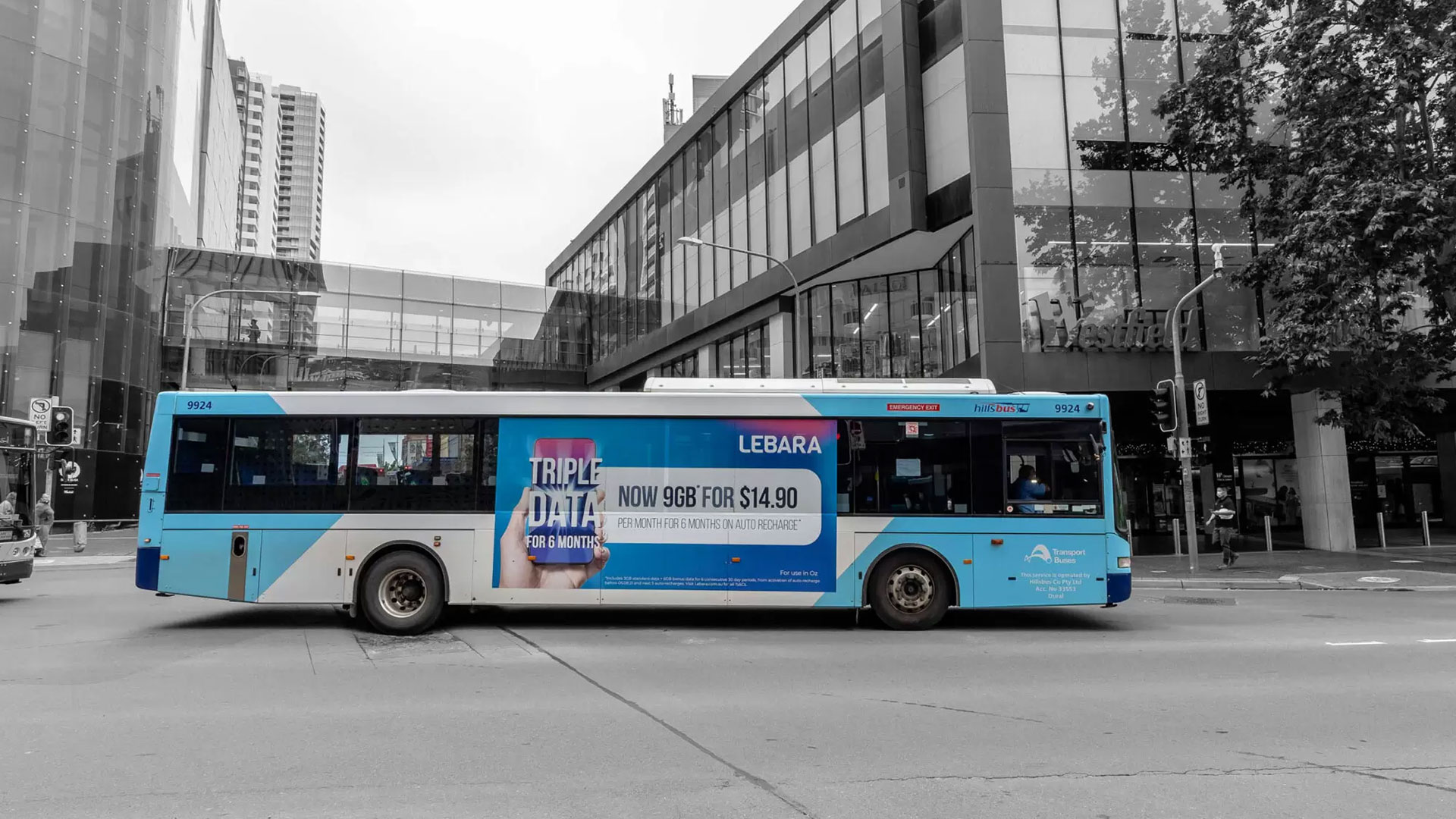
- Side panels are often the workhorse format. They give clean, repeatable visibility across multiple vehicles and routes, which is useful when your goal is reach and frequency rather than spectacle.
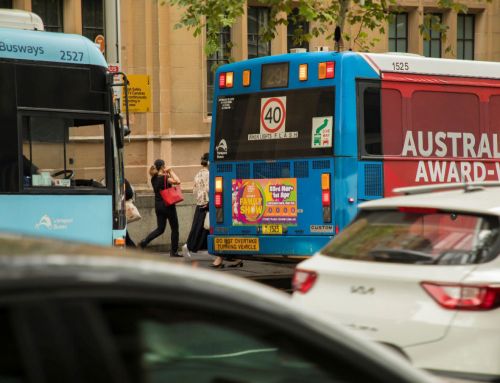
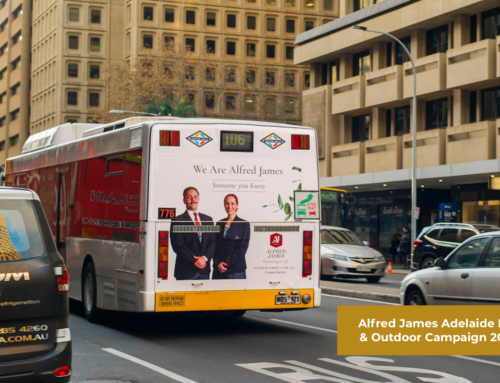
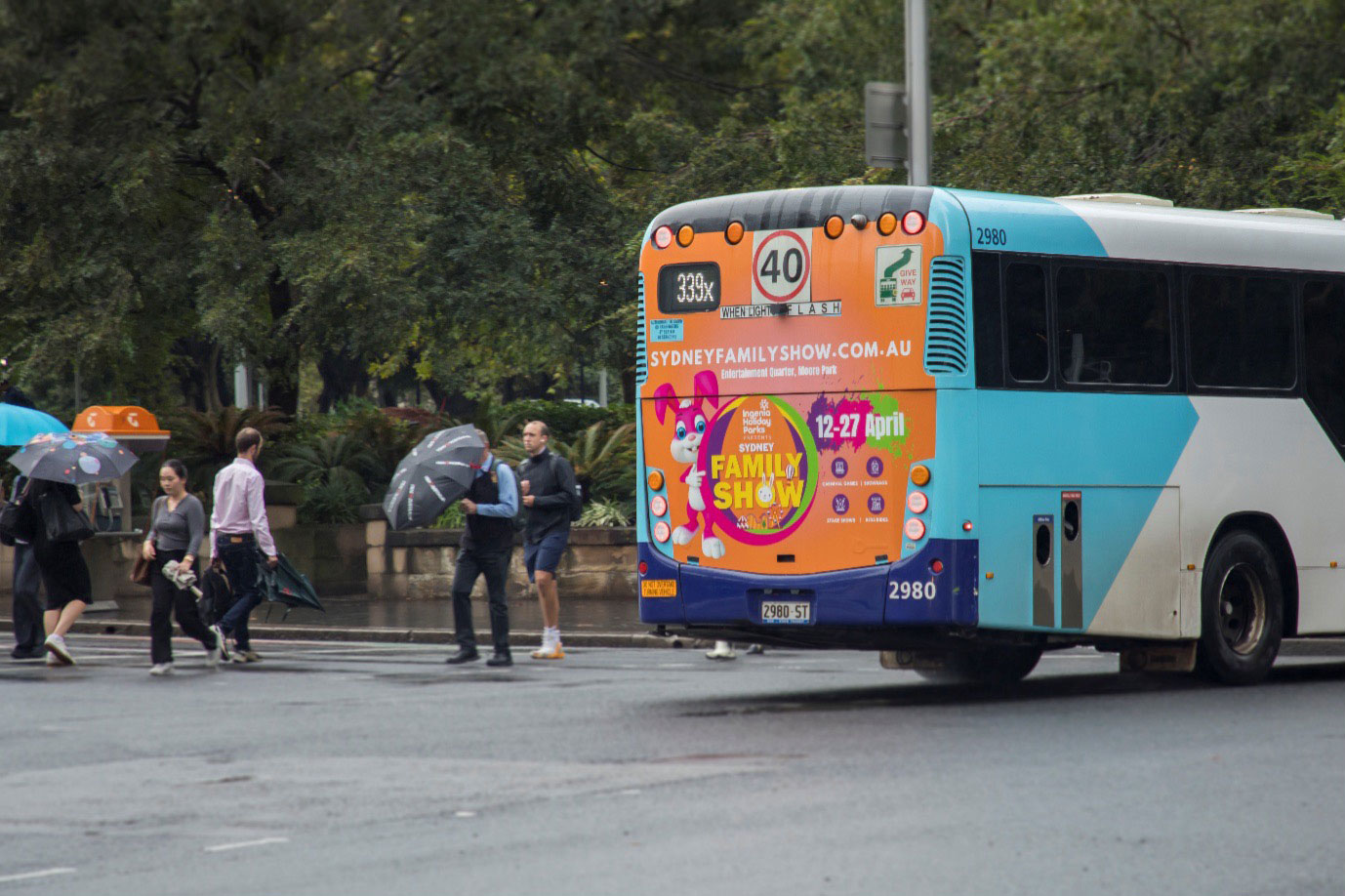
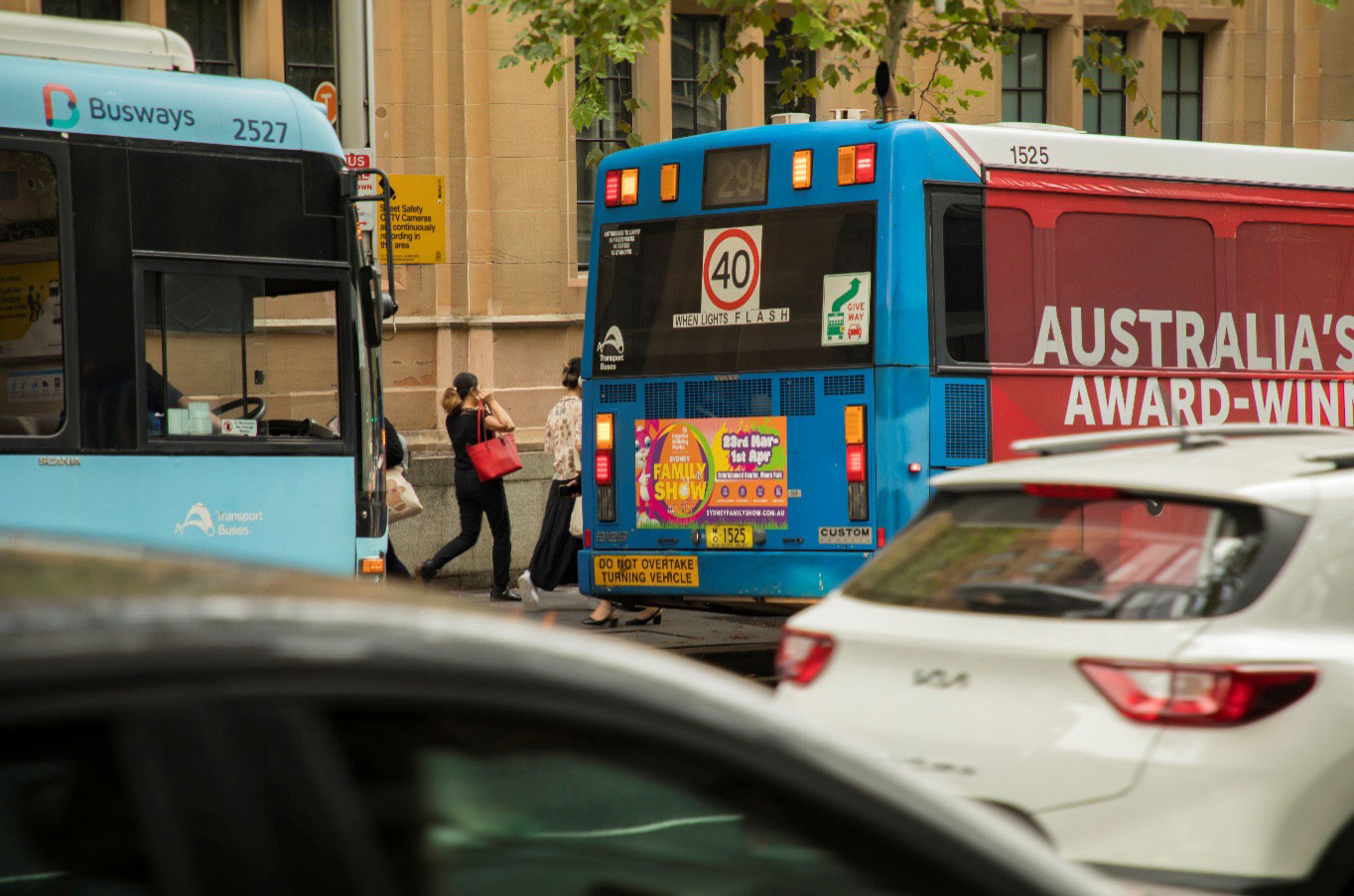
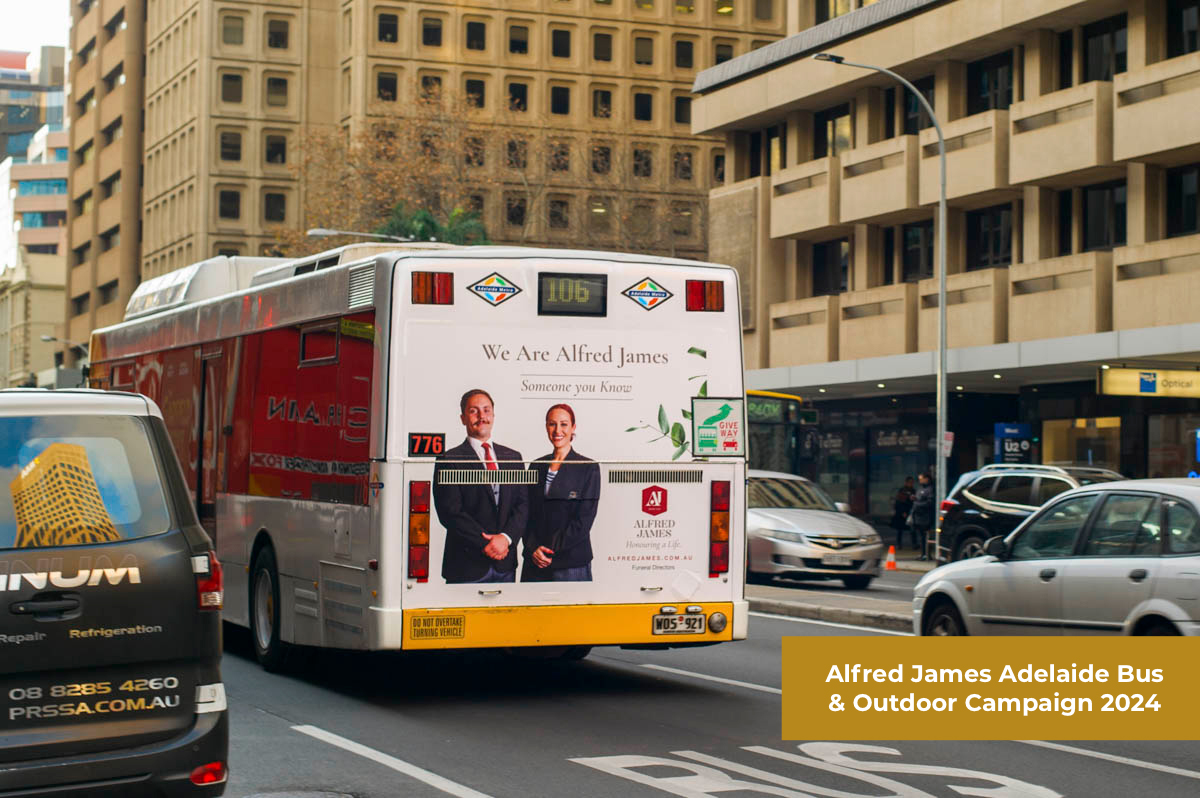
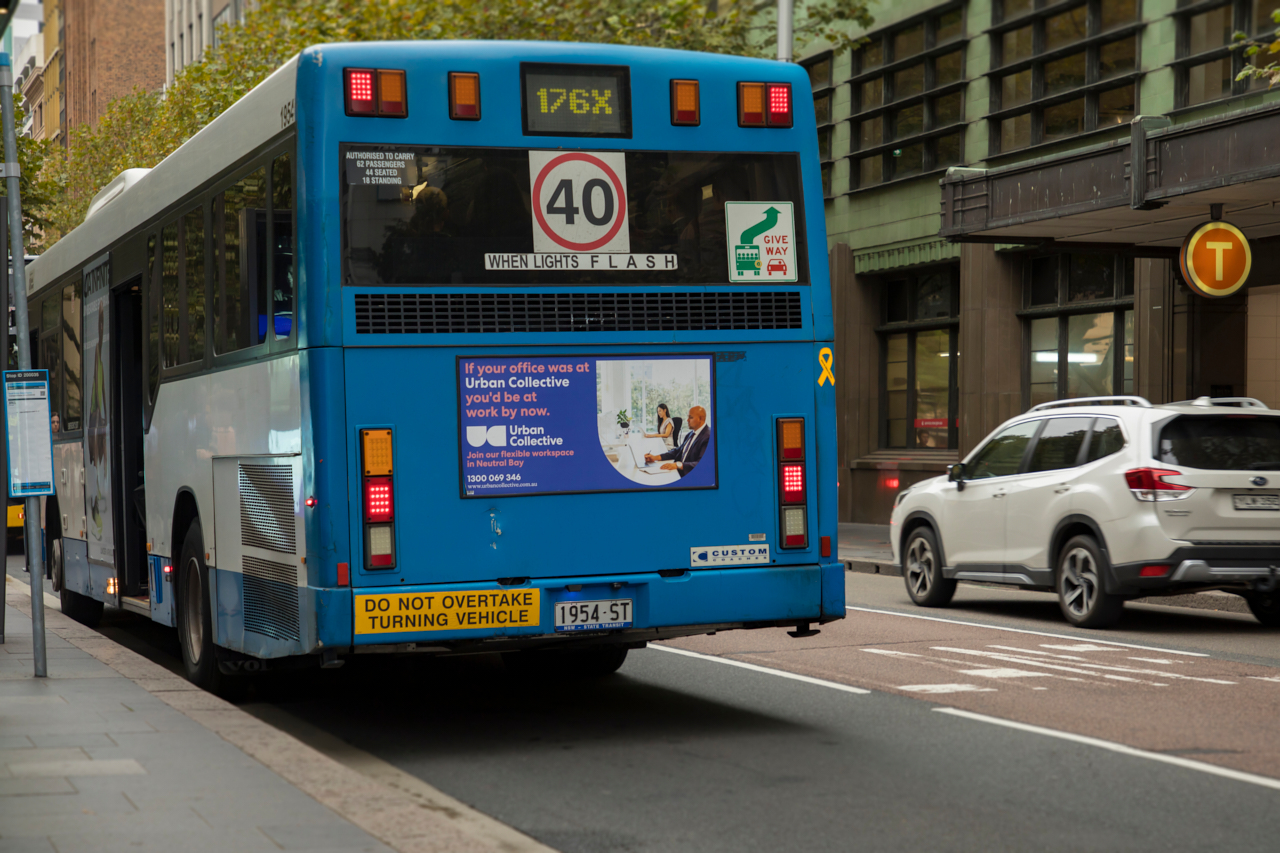
- Rear ads earn their keep in slow traffic. Drivers sit behind a bus long enough to read, re-read, and remember. If your message needs a phone number, a short URL, or a simple offer, the rear can be surprisingly effective.
- Then there are bus shelters and related transit placements, which catch people while they are waiting. Dwell time increases the chance of comprehension, not just exposure. The best creative for shelters usually reads like a sign: plain language, high contrast, and a single next step.
Measuring Bus Advertising Results in Sydney
The old criticism of out-of-home was that it was “unmeasurable”. That is no longer a fair description.
Australia has established audience measurement approaches for outdoor formats, including tools that estimate reach and viewability using movement and location data.
The Outdoor Media Association describes MOVE as a national measurement platform covering multiple metro and regional areas and formats, including transport.
It is still wise to treat any audience number as an estimate rather than a guarantee, but modern planning tools allow more disciplined decisions than “pick a busy road and hope”.
For advertisers, measurement often works best as a stack:
- Direct response signals: A vanity URL, QR code, or tracked phone number (kept simple so it is legible).
- Brand search lift: Does branded search rise in the campaign area during the run?
- In-market feedback: “I saw your ad on a bus” is anecdotal, yet repeated mentions can be a real indicator.
- Digital support: Use location and time windows to align paid social or search activity with the period your buses are active.
Who Should Use Bus Advertising in Sydney in 2026
Bus advertising suits brands that benefit from broad local visibility and repeated exposure. It is especially relevant when you sell something people buy in the course of everyday life.
Examples include:
- Local healthcare, dental, allied health, and community services
- Education providers and short courses
- Retail and hospitality groups near key corridors
- Property services with defined service areas
- Entertainment and events that need quick awareness
It can be less suitable when you rely on highly specific niche targeting and instant attribution. Even then, pairing buses with a strong landing page and sensible search support can bridge the gap.
Cost of Bus Advertising in Sydney: What Impacts Pricing
Pricing varies because inventory and logistics vary.
- A campaign covering high-demand corridors costs differently to one focused on outer areas.
- Format matters too: a full wrap requires more production and installation than a standard panel.
- Duration plays a role, since repetition is part of the value. In practice, many campaigns work best when they run long enough for people to see the message multiple times, not just once.
- If you are planning for outcomes, treat cost as part of a wider brief: the audience you want, the areas you need, and the timeframe that suits your sales cycle.
Request a quote from Best Media Rates and get a Sydney bus plan matched to your target suburbs, routes, and budget. Call 1300 81 44 88 or email info@bestmediarates.com.au to discuss timings, formats, and available inventory.
Also Read: Maximising Impact: High Contrast Colour Strategies for Bus Advertising at 50 km/h
Frequently Asked Questions:
1. Is bus advertising more effective than digital advertising in 2026?
It can be, depending on the goal. Digital is strong when you need quick, trackable actions and your targeting signals are reliable. Bus advertising tends to shine for broad awareness and repeated exposure, especially in busy commuting environments. Many brands see the best results when buses build familiarity and digital captures demand once people start searching.
2. How much does bus advertising cost in Sydney in 2026?
Costs depend on format (wrap, side panel, rear), the number of buses, the routes covered, and the length of the booking. Production and installation can also change the total. If you want a realistic budget, start with the areas you need to cover and the minimum campaign duration required for repeated exposure, then match formats to that plan.
3. How many impressions do bus ads get in Sydney each day?
There is no single fixed number because exposure depends on route density, time of day, traffic flow, and where people walk and wait. Industry measurement systems estimate audience and viewability using movement and location data, which helps planners compare options and forecast reach. Treat impression estimates as directional, then validate with campaign signals like search lift and enquiries.
4. How do I measure results from a Sydney bus advertising campaign?
Use a mix of indicators. Track a simple vanity URL or QR code, watch branded search trends during the run, and compare enquiries by suburb if you can. Pairing the campaign with search and paid social can also clarify lift. For planning and reporting, audience measurement tools in Australia provide estimates that help link placements to likely exposure patterns.
5. Can bus advertising target specific areas like Parramatta or the CBD?
Yes. Route planning is one of the biggest advantages of bus media. You can focus coverage on commuter corridors, shopping precincts, and business districts, then adjust the format mix to suit how people move through those areas.