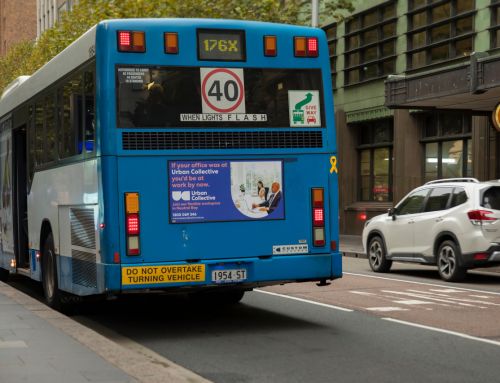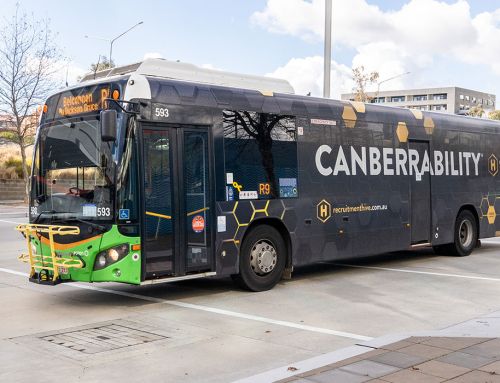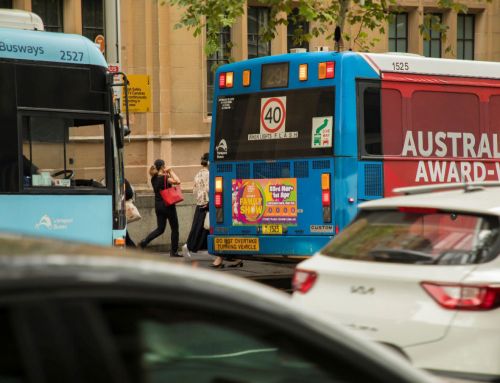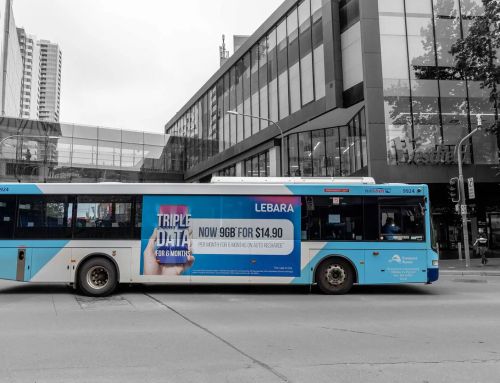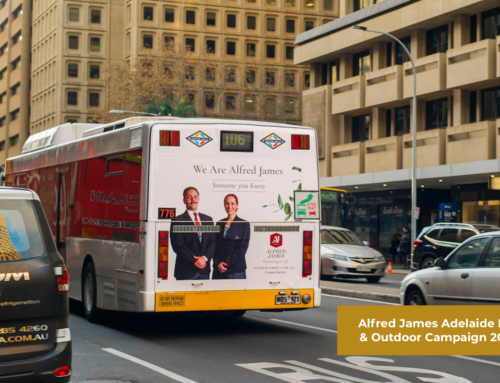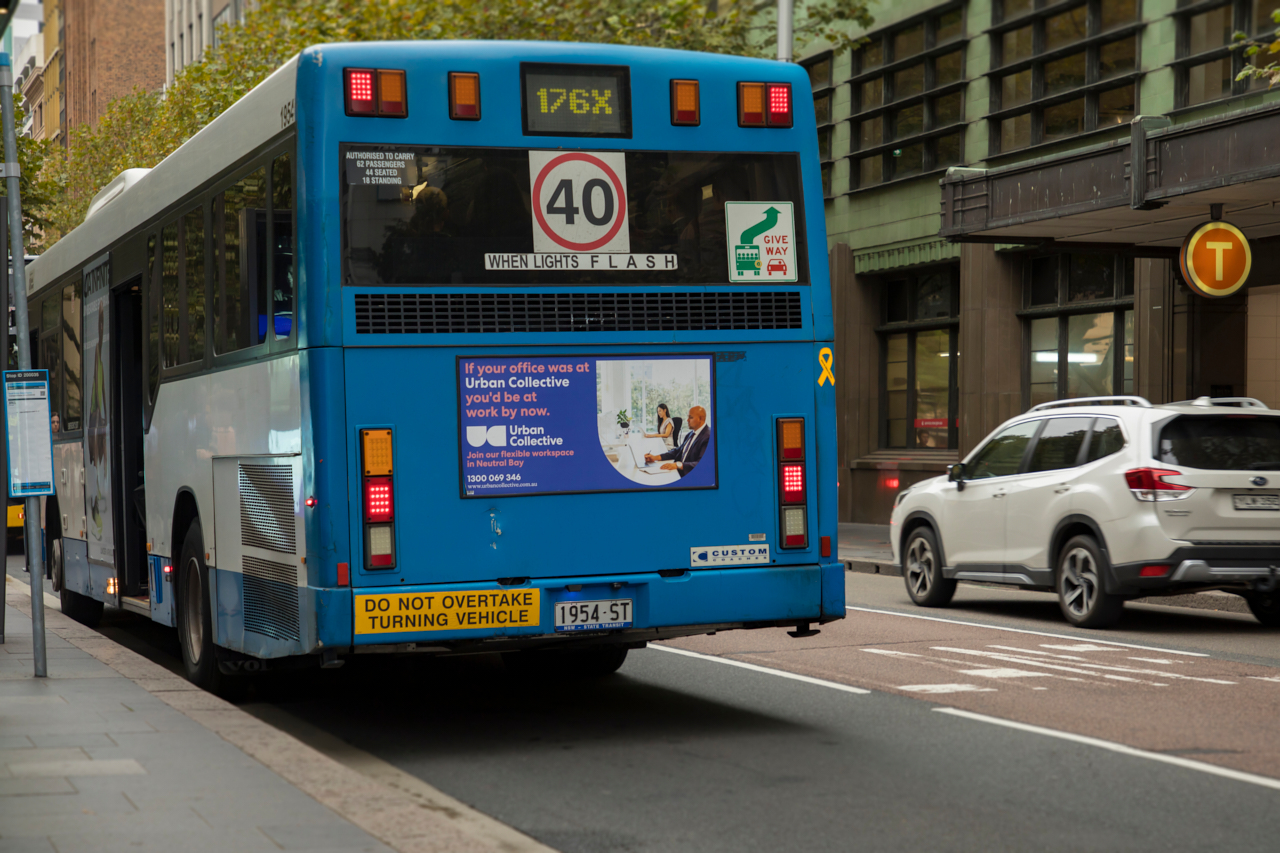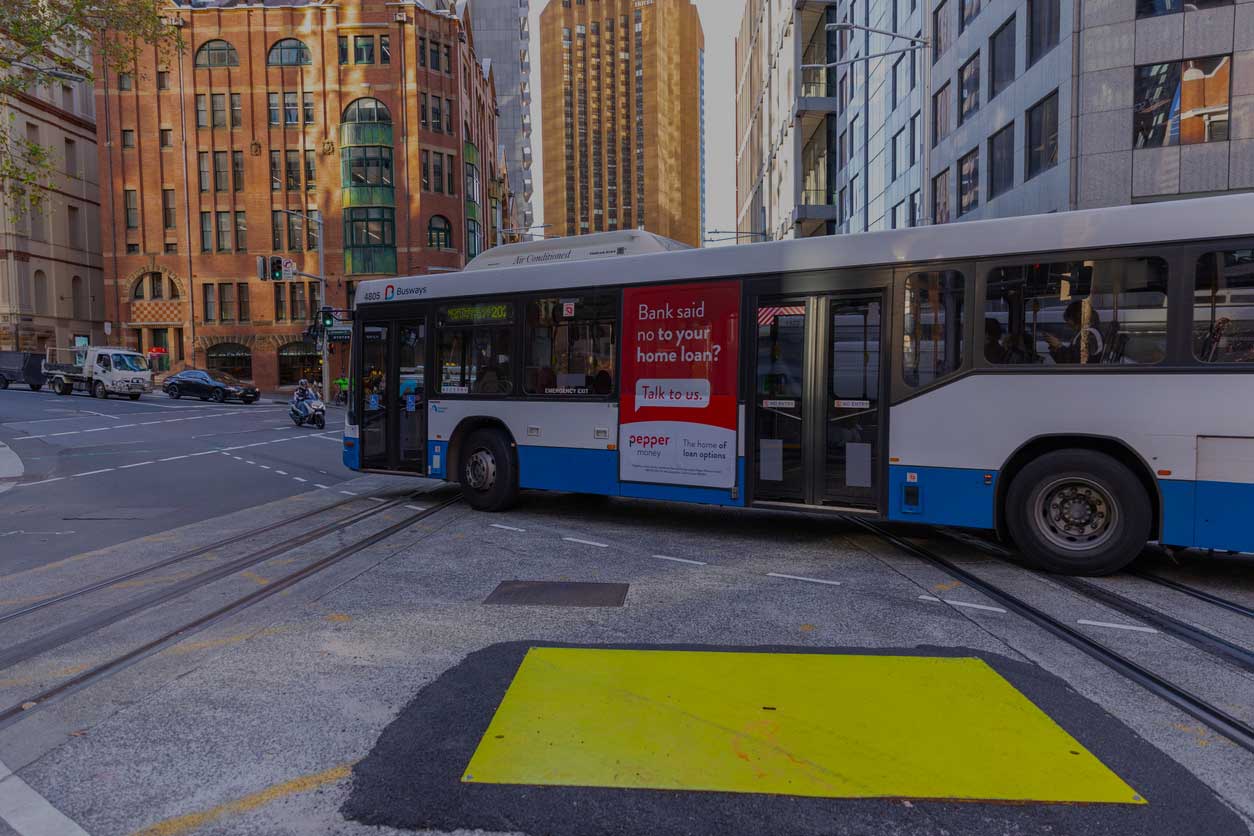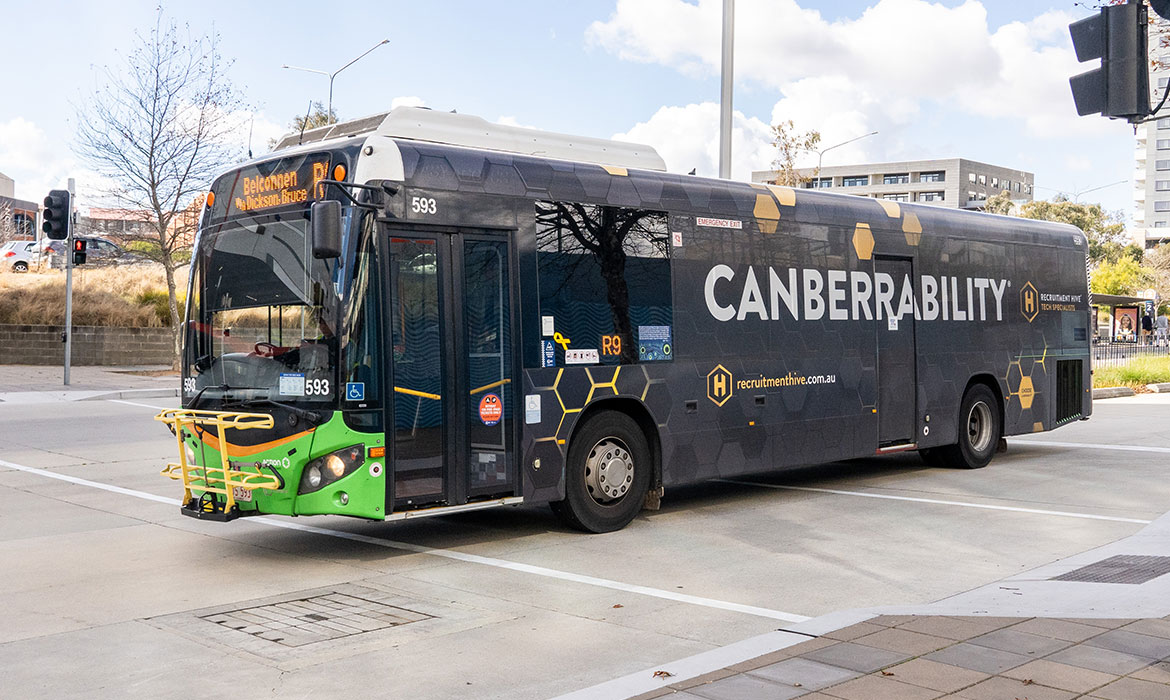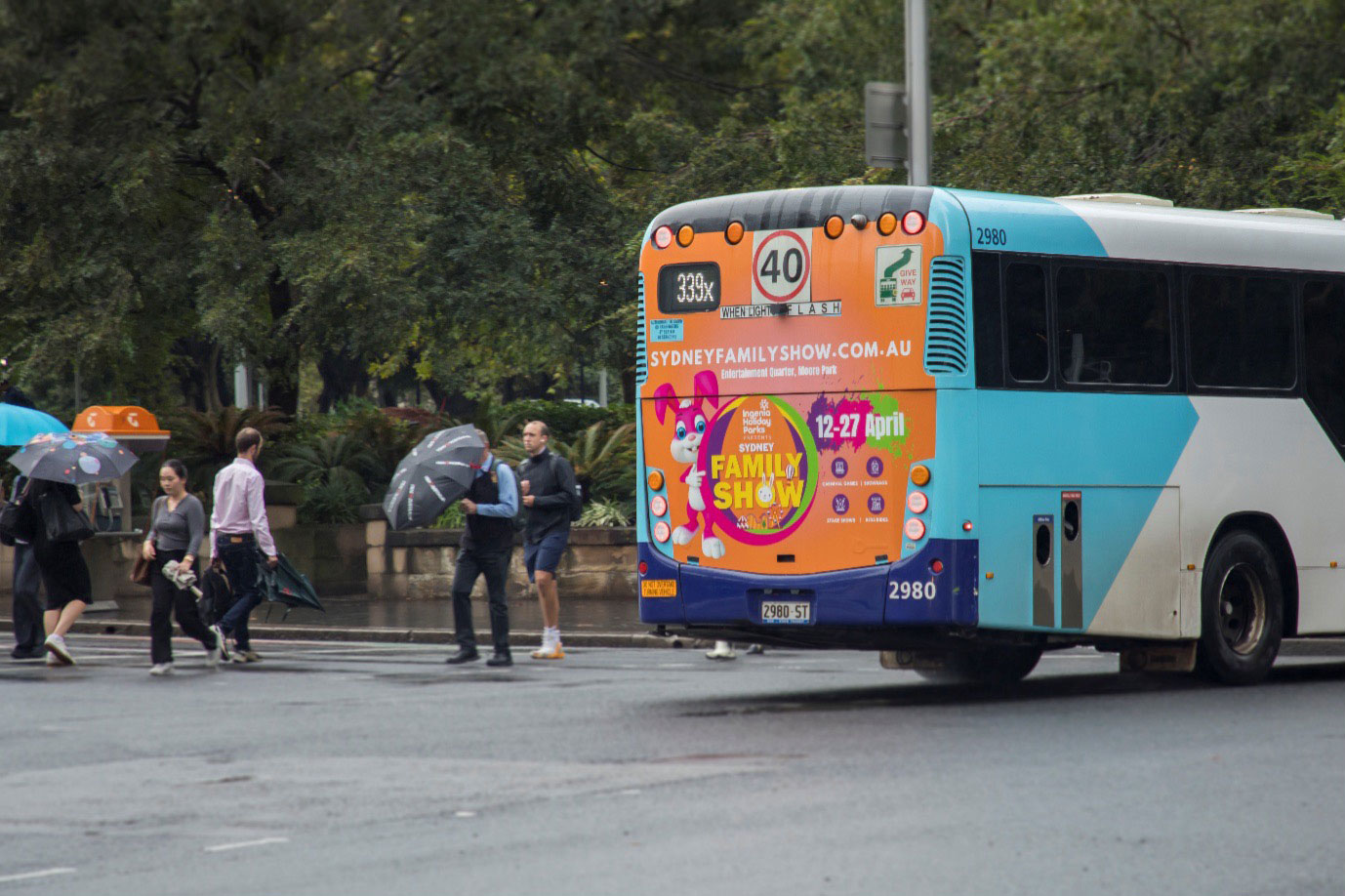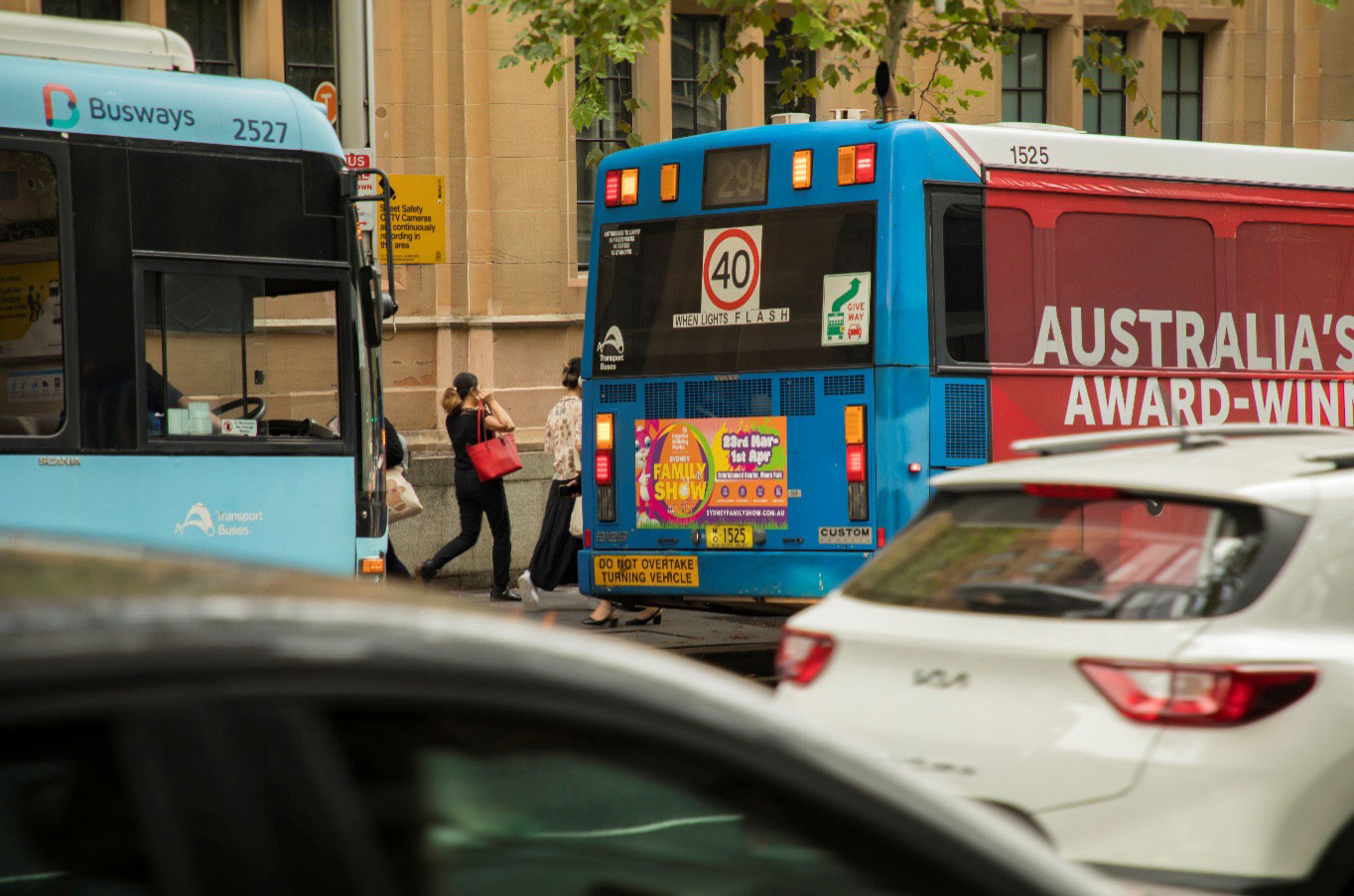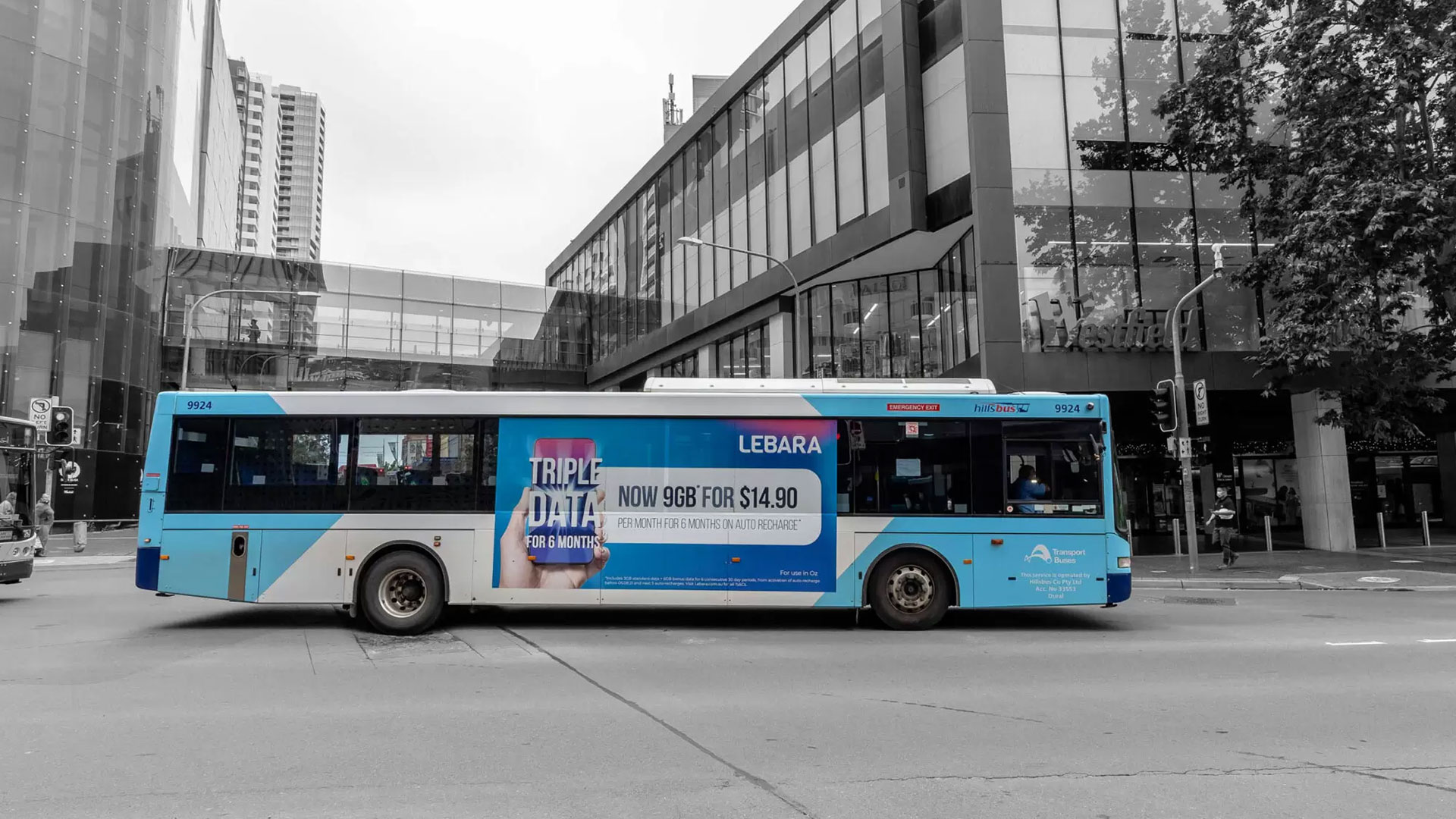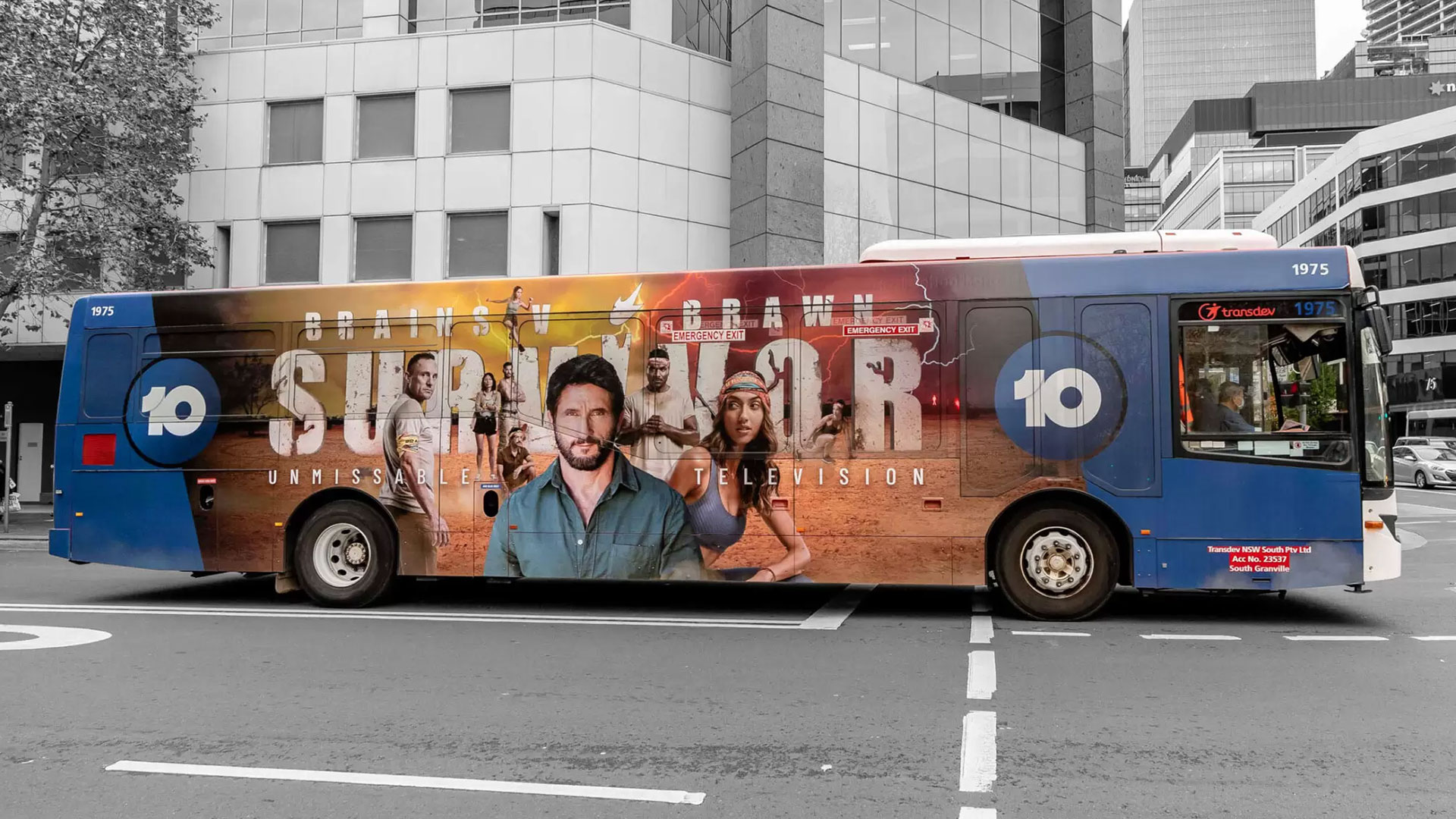
Gen Alpha has grown up with phones and tablets, yet reaching them through social feeds is less straightforward than marketers like to claim. Age rules, tighter youth settings, and stronger enforcement all limit dependable targeting. In that environment, bus advertising in Sydney stands out because it reaches families and students in public space, without needing logins, cookies, or personal profiles.
Digital access is tightening for kids
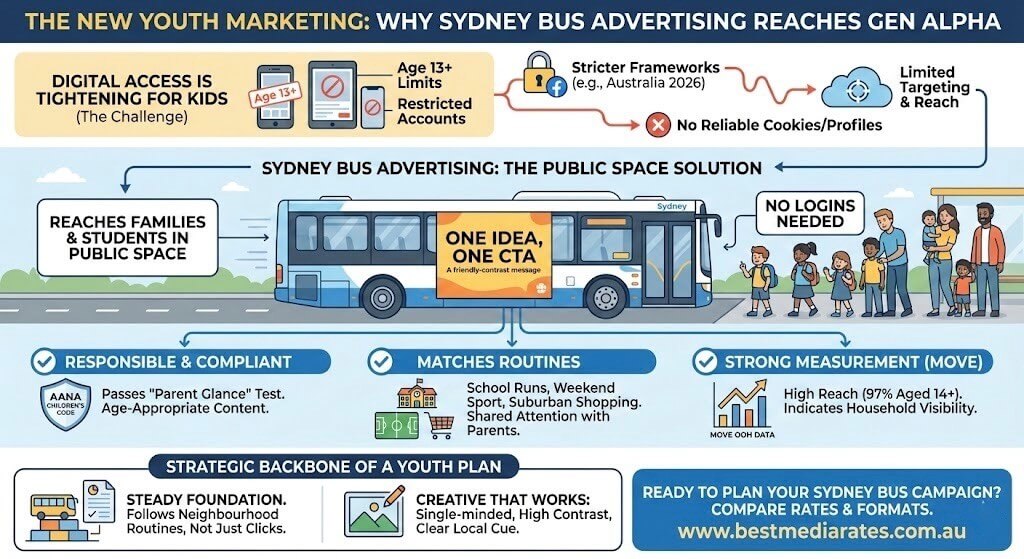
Many major platforms set 13 as the minimum age for standard accounts. YouTube sets 13 for its main service, Instagram requires users to be at least 13, and TikTok states accounts are available for people at least 13.
Australia’s age-restricted social media framework puts the onus on platforms to take “reasonable steps” to prevent under-16s from holding accounts. Reporting in January 2026 described millions of child accounts being removed or restricted after the law took effect.
Responsible youth marketing still matters
In Australia, advertising directed at children is expected to meet specific standards. The AANA Children’s Advertising Code defines children as under 15 and sets expectations about appropriate content and responsibility.
That context suits public, high-visibility formats. A bus ad has to pass the “parent glance” test by default, which nudges brands towards clear, age-appropriate messaging rather than edgy tactics designed for private screens.
Buses match the routines that shape attention
Buses sit inside school runs, weekend sport, and suburb shopping. That matters because Gen Alpha’s attention is often shared with parents and carers, who still approve most spending.
School routes make up the most timetabled routes in every contract region. It’s also worth noting that eligible students can receive free travel between home and school via a School Opal card or free travel pass on approved services.
Measurement is stronger than it used to be
The Outdoor Media Association positions MOVE as an audience measurement system for out-of-home, including public transport formats.
MOVE-based reporting has said OOH reaches 97% of Australians aged 14+ each week (over 22 million people).
Gen Alpha includes many under 14, so read this as a signal about household visibility. When a message lands with a child and the adult beside them, you’re closer to the moment a purchase is decided.
Out of home advertising
Costs vary by format (wraps, sides, backs, interiors), the number of buses, campaign length, and route selection. The key decision is whether you need broad coverage or a tighter corridor near schools and retail.
For businesses comparing the rates in Sydney, it helps to line up advertising rates by format, then buy for repetition across term time rather than a one-off burst.
Creative that works on a moving canvas
A bus gives viewers seconds, not minutes. Keep the message legible and single-minded.
- One idea, one call-to-action
- Big type, high contrast
- A concrete cue: product, price point, or local location
- A tone that’s comfortable for parents as well as kids
Where transit fits in a youth plan
Buses can act as the steady backbone of a youth plan, and transit advertising is often strongest when it follows suburb routines rather than chasing clicks. They keep working when platform rules shift, and they show up across neighbourhoods where families actually live.
Also Read: Maximising Impact: High Contrast Colour Strategies for Bus Advertising at 50 km/h
Frequently Asked Questions:
1. What is the best way to reach Gen Alpha in Sydney?
Start with routines: school travel, local shopping, sport, and community venues. Bus campaigns align with those habits and reach both children and their parents. NSW’s bus audit notes school routes form most timetabled routes across every contract region, which helps explain why buses sit close to student movement. Free school travel settings also make those trips regular.
2. Are bus ads effective for youth marketing in Sydney?
They can be effective because they repeat in the same places each week. MOVE-based reporting says out-of-home reaches 97% of Australians aged 14+ weekly, suggesting high visibility at a household level. Plan creative for quick viewing and for parents as well as kids.
3. How much does bus advertising cost in Sydney?
Pricing depends on the ad format, campaign duration, number of buses, and the routes or regions selected. If you want tighter efficiency, pick a corridor first (schools plus nearby retail), then request rates for the formats that suit your goal. Ask for quotes across the main formats.
4. Is bus advertising better than social media for reaching Gen Alpha?
For younger Gen Alpha, social media reach can be inconsistent. Platforms commonly set 13 as the minimum age, and Australia’s under-16 age restrictions require platforms to stop under-16s holding accounts. Millions of child accounts are already being removed or restricted.
5. Where should I place bus ads in Sydney to reach students?
Prioritise routes that link residential areas to schools, shopping centres, and weekend sport. NSW’s audit report highlights the dominance of school routes in timetabled services. Also remember free travel arrangements being offered between home and school for eligible students on approved services. After-school and weekend sport corridors can help too.